Category: Sauces & Marinades

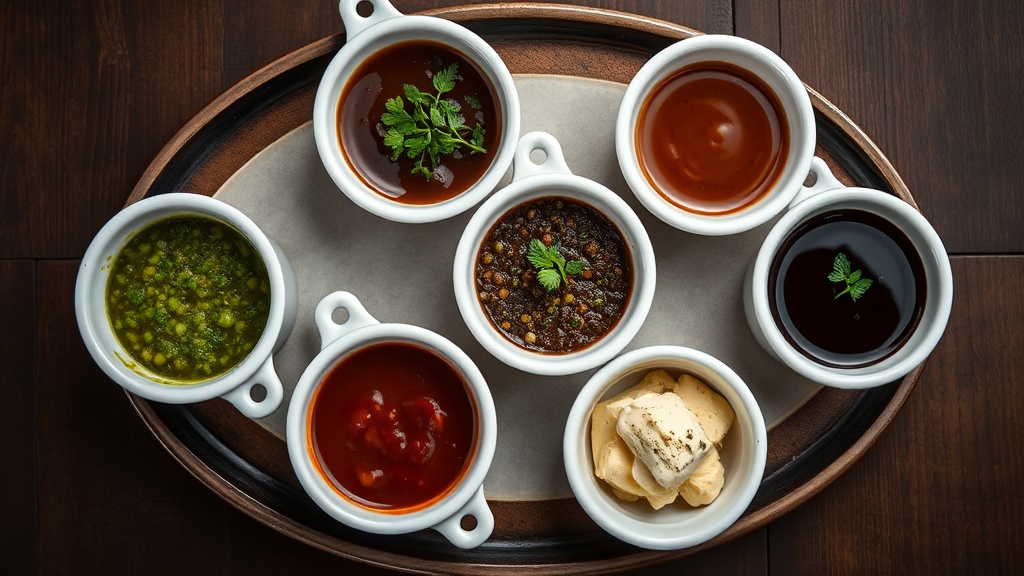
Steak sauces, rubs, and marinades

  • Peppercorn Sauce for Steak: Classic French Recipe Made Simple

    Peppercorn Sauce for Steak: Classic French Recipe Made Simple

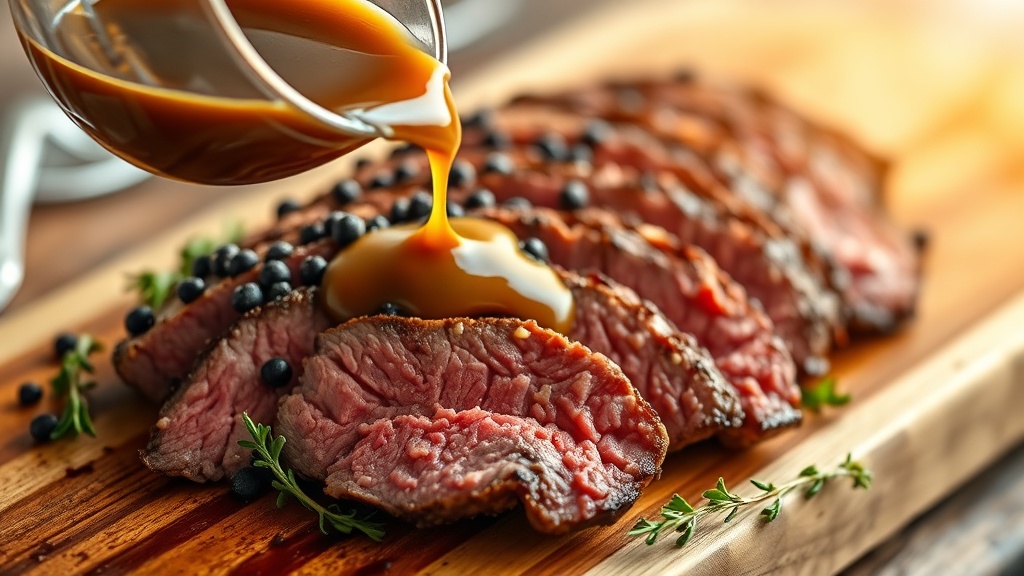
    Peppercorn sauce for steak is one of the great classics of French bistro cooking. Known as sauce au poivre, it transforms a simple pan dripping into something rich, peppery, and deeply satisfying — and it comes together in under ten minutes in the same pan you used to cook the steak.

    What Makes a Good Peppercorn Sauce

    A proper peppercorn sauce has four layers working together: heat from cracked pepper, depth from cognac or brandy, richness from cream, and foundation from beef stock and the steak’s own fond (the caramelized bits left in the pan). Get those four right and you’ve got it.

    Ingredients (Serves 2)

    • 2 tablespoons black peppercorns, coarsely cracked (or mixed peppercorn blend)
    • 1 shallot, finely minced
    • 2 tablespoons unsalted butter
    • 2 oz cognac, brandy, or dry red wine
    • 1/2 cup beef stock (low-sodium)
    • 1/2 cup heavy cream
    • 1 teaspoon Dijon mustard (optional, adds depth)
    • Salt to taste

    On the pepper: Crack whole peppercorns with the bottom of a heavy pan rather than grinding them. You want coarse, irregular pieces — not powder. They should bite.

    Classic Peppercorn Sauce: Step-by-Step

    1. Rest your steak first. Remove the cooked steak from the pan and set it on a rack to rest. Leave all the drippings and fond in the pan.
    2. Sauté the shallot. Over medium heat, add the butter to the hot pan. Once it foams, add the minced shallot. Cook 1–2 minutes until softened, scraping up the fond as you go.
    3. Add the peppercorns. Stir in the cracked pepper. Toast in the butter for 30 seconds — you’ll smell the oils releasing.
    4. Deglaze with cognac. Add the cognac and tilt the pan slightly if you want a flame (or just let it reduce without igniting). Cook 1–2 minutes until the alcohol cooks off and the liquid reduces by half.
    5. Add the stock. Pour in the beef stock. Increase heat to medium-high and reduce for 2–3 minutes until slightly thickened.
    6. Add the cream. Reduce heat to medium. Add the heavy cream and stir to combine. Simmer 2–3 minutes until the sauce coats the back of a spoon.
    7. Finish and season. Stir in the Dijon if using. Taste and adjust salt. The sauce should be bold, creamy, and peppery but not overwhelming.

    Variations Worth Trying

    Green Peppercorn Sauce

    Use brined green peppercorns instead of black. They’re softer, fruitier, and less sharp. This version is milder and works beautifully with filet mignon.

    Mixed Peppercorn Sauce

    Combine black, white, green, and pink peppercorns. Each brings something different — black is sharp and hot, white is earthy and musty, green is bright and fruity, pink is mild and sweet. Together: complex.

    No-Alcohol Version

    Skip the cognac and add 1 extra tablespoon of Worcestershire sauce with the beef stock. You lose the flambé drama but keep the depth of flavor.

    Best Steak Cuts for Peppercorn Sauce

    CutWhy It Works
    Filet MignonMild cut needs bold sauce to complete it — classic pairing
    New York StripBeefy and firm, stands up to pepper heat without being overwhelmed
    RibeyeRich marbling absorbs the sauce; fat amplifies the cream
    Bavette / FlankLeaner cuts benefit from the fat in the cream sauce
    Rump SteakBudget-friendly cut elevated significantly by a proper sauce

    Troubleshooting

    • Sauce too thin: Reduce longer before adding cream, or reduce after adding cream on higher heat while stirring constantly
    • Sauce too thick: Add a splash of stock to let it down
    • Too peppery: More cream and a bit more stock will soften the heat
    • Not enough depth: A teaspoon of Worcestershire or a touch of dark soy sauce adds the missing umami
    • Sauce broke / curdled: Heat too high when cream was added — remove from heat, whisk in 1 tablespoon cold butter to bring it back

    Timing tip: Start the sauce the moment you pull your steak off heat to rest. By the time the sauce is done (7–8 minutes), the steak will have rested perfectly.

    Frequently Asked Questions

    Can I make peppercorn sauce without cream?

    Yes. Use a roux (butter and flour) or a butter-enriched reduction instead. The sauce will be less rich but still work. Some classic versions finish with cold butter (beurre monté) whisked in off heat rather than cream.

    What’s the difference between sauce au poivre and peppercorn sauce?

    Same thing. Sauce au poivre is the French name. The version most people know in English-speaking countries is the cream-enriched bistro version, which emerged in 20th century French restaurant cooking.

    Can I make peppercorn sauce ahead of time?

    Yes, but cream sauces don’t reheat perfectly. Make it up to 2 days ahead and reheat gently over low heat with a splash of stock. Don’t boil. Freshly made is always better.

    Do I need cognac or brandy?

    Not strictly. Dry red wine or even extra beef stock works. Cognac gives the most authentic depth, but a tablespoon of Worcestershire sauce is an excellent non-alcohol substitute that adds comparable complexity.

    What peppercorns are best for peppercorn sauce?

    Coarsely cracked black peppercorns are the classic choice. A mixed medley (black, white, green, pink) adds complexity. Avoid pre-ground pepper — the volatile compounds that give pepper its heat and aroma dissipate quickly once ground.
  • Chimichurri Sauce for Steak: Classic Verde and Rojo Recipes

    Chimichurri Sauce for Steak: Classic Verde and Rojo Recipes

    What Makes Chimichurri the Perfect Steak Sauce

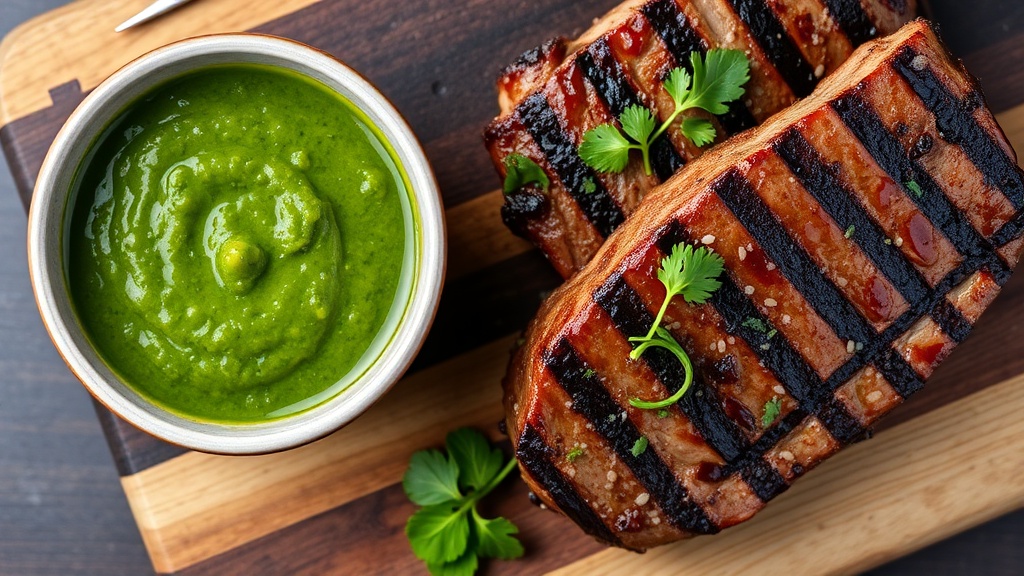
    Chimichurri originated in Argentina and Uruguay, where it’s the default accompaniment to asado — South American live-fire cooking. Unlike a cream-based or wine-reduction sauce, chimichurri doesn’t compete with the steak’s flavor. It cuts through the fat, lifts the beef’s natural richness, and adds a bright herbal sharpness that makes each bite taste cleaner than the last.

    There are two main versions: chimichurri verde (green, parsley-based, sharp and fresh) and chimichurri rojo (red, with added tomatoes or red peppers, smoky and slightly sweet). Both are uncooked, which preserves the volatile compounds in fresh herbs that cooking destroys.

    Classic Chimichurri Verde — The Traditional Recipe

    Ingredients (makes ~1 cup, serves 4–6):

    • 1 cup fresh flat-leaf parsley, tightly packed (about 1 large bunch)
    • 4 garlic cloves
    • 3 tbsp fresh oregano leaves (or 1 tsp dried)
    • ½ tsp red pepper flakes (adjust to heat preference)
    • 2 tbsp red wine vinegar
    • ½ cup extra-virgin olive oil
    • ½ tsp kosher salt
    • ¼ tsp black pepper

    Method — two approaches:

    Traditional (knife and bowl): Finely chop parsley, oregano, and garlic by hand until you have a rough but cohesive mixture. Combine in a bowl with vinegar, salt, and pepper. Slowly whisk in olive oil. The result has texture — individual herb pieces visible, slightly rustic. This is the preferred method if you have 10 minutes.

    Fast (blender or food processor): Pulse all ingredients 4–6 times — don’t blend continuously. Over-processing makes chimichurri a smooth green paste, which loses the texture and releases too much chlorophyll, making it bitter.

    Rest time matters: Chimichurri tastes significantly better after 30 minutes at room temperature. The garlic mellows, the vinegar integrates, and the herbs bloom in the oil. Make it before you start the grill.

    Chimichurri Rojo — Smoky, Rich Variation

    Ingredients:

    • ½ cup fresh flat-leaf parsley
    • 2 tbsp fresh oregano (or 1 tsp dried)
    • 3 garlic cloves
    • 1 roasted red pepper (jarred is fine), roughly chopped
    • 1 tsp smoked paprika
    • 1 tsp sweet paprika
    • ½ tsp red pepper flakes
    • 2 tbsp red wine vinegar
    • ½ cup olive oil
    • ½ tsp kosher salt

    Method: Same as verde — chop by hand or pulse briefly in a food processor. The roasted pepper adds body and sweetness; the smoked paprika gives it a BBQ-forward depth that works particularly well with charcoal-grilled ribeye or picanha.

    How to Serve Chimichurri with Steak

    There are three moments to use chimichurri:

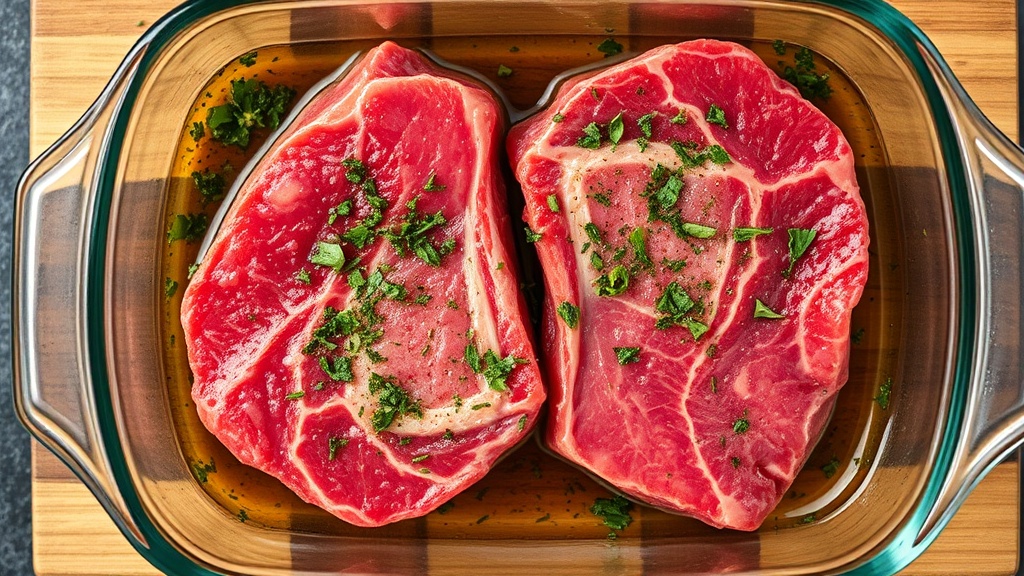
    1. As a marinade: Coat the steak 30–60 minutes before grilling. The acid tenderizes the surface; the garlic and herbs begin to penetrate. Don’t marinate longer — the acid can change the texture.
    2. During resting: Spoon a small amount over the steak immediately after it comes off the grill, while it rests. The residual heat activates the garlic and herbs.
    3. At the table: The classic approach. Serve the sauce alongside the steak; each person applies to taste. This preserves the crust and gives the most control over flavor balance.

    The table-service approach is traditional in Argentina and is usually the right call for a dinner party.

    Best Steak Cuts to Pair with Chimichurri

    Chimichurri’s brightness and acidity balance best with:

    • Picanha: The fat cap’s richness needs chimichurri’s acidity to balance — this is the classic pairing
    • Flank steak: Lean, intensely beefy, benefits from the fat in the olive oil and the herb lift
    • Skirt steak: Natural partner for chimichurri in churrasco cooking
    • NY Strip: Works well; the herb freshness contrasts the strip’s clean beef flavor
    • Ribeye: Use sparingly — the chimichurri can overpower the ribeye’s own complex flavor

    Storage and Make-Ahead Notes

    Chimichurri keeps well in the refrigerator for up to 5 days in an airtight container. The oil will solidify — bring to room temperature for 20–30 minutes before serving and stir to recombine. The garlic will mellow further over days, and some find day-two chimichurri even better than fresh.

    For longer storage, freeze in an ice cube tray (1–2 tbsp portions), then transfer cubes to a bag. Frozen chimichurri keeps 3 months. Use directly from frozen on a hot steak — it will melt instantly.

    Troubleshooting Common Chimichurri Problems

    • Too bitter: Usually over-processed (blended too long) or the parsley stems were included. Use only leaves and tender upper stems. If bitter, add a pinch of sugar and a splash more vinegar to balance.
    • Too sharp / too acidic: Add more olive oil and let it rest longer. The acidity integrates as the sauce sits.
    • Too mild: More garlic, more red pepper flakes. Taste and adjust before the resting period.
    • Wrong texture (too smooth): If you used a blender, next time use a knife or food processor with brief pulses. Smooth chimichurri loses visual appeal and tends toward bitterness.

    Frequently Asked Questions

    Can I substitute cilantro for parsley in chimichurri?

    Yes, and this variation is actually common in parts of Argentina and Ecuador. Cilantro chimichurri has a brighter, more citrus-forward flavor. Use 50/50 parsley and cilantro for a balanced version, or go full cilantro if that flavor profile appeals to you. Note: cilantro chimichurri is more polarizing — it’s excellent if you like cilantro, and not a good idea if you’re feeding a crowd with unknown preferences.

    What vinegar is best for chimichurri?

    Red wine vinegar is traditional and ideal. Its moderate acidity and grape-derived complexity complement beef well. Sherry vinegar is a close second — slightly more complex. White wine vinegar works but is sharper. Avoid balsamic (too sweet) or apple cider vinegar (clashes with the herbs).

    How long should chimichurri sit before serving?

    Minimum 30 minutes at room temperature. Maximum: serve within 4–6 hours of making for best fresh herb flavor. Beyond that, it’s still good — just more of a preserved, garlic-forward sauce than a bright herb sauce.

    Is chimichurri spicy?

    The traditional version is mildly spicy from red pepper flakes. You control the heat by adjusting the amount of flakes. For a zero-heat version, omit entirely. For serious heat, add a fresh red chili or increase flakes to 1 tsp.

    Can chimichurri be used as a marinade?

    Yes, but keep the marinating time short — 30–60 minutes maximum. The acid in the vinegar will start to cook the surface proteins if left too long, leading to a grayish, slightly mealy exterior before the steak even hits the grill.

  • Best Steak Marinades: 5 Recipes That Work on Every Cut

    Best Steak Marinades: 5 Recipes That Work on Every Cut

    Why Marinating Works — and When It Doesn’t

    A marinade does two things: it flavors the surface of the meat and, in some cases, begins breaking down surface proteins to improve texture. The acid component (citrus juice, vinegar, wine, buttermilk) denatures proteins at the exterior — but this process is slow and shallow. Even after 24 hours, a marinade penetrates less than half an inch into a steak.

    That means marinades are most effective on thin, loose-grained cuts — flank, skirt, bavette — where the surface area is high relative to volume. On a thick ribeye or NY strip, a marinade seasons the outside without significantly affecting the interior. For those cuts, a dry brine (salt only, 1–24 hours ahead) is more effective.

    The 5 Components of an Effective Steak Marinade

    Every high-performance marinade balances five elements:

    • Acid: Citrus juice, wine, vinegar, or buttermilk — starts surface protein breakdown and brightens flavor. Don’t over-acidify; a marinade with too much acid will turn the exterior of the steak mushy (if left too long) or grayish before cooking.
    • Oil: Carries fat-soluble flavor compounds (garlic, herbs, spices) and helps transfer heat evenly on the grill. Use a neutral oil with a high smoke point.
    • Salt: Draws moisture out initially, then pulls it back in, carrying dissolved flavors deeper into the meat. Critical — don’t skip it.
    • Aromatics: Garlic, shallots, onion — raw aromatics add depth; sautéed or roasted aromatics add sweetness.
    • Flavor agents: Soy sauce (umami + salt), Worcestershire (fermented depth), mustard (emulsifier + tang), honey or brown sugar (caramelization on the grill).

    The Classic: Soy-Worcestershire Steak Marinade

    This is the baseline — deeply savory, versatile, and works on virtually every cut.

    Ingredients (enough for 1.5–2 lbs of steak):

    • 3 tbsp soy sauce
    • 2 tbsp Worcestershire sauce
    • 2 tbsp olive oil
    • 1 tbsp balsamic vinegar
    • 3 garlic cloves, minced
    • 1 tsp Dijon mustard
    • 1 tsp black pepper, coarsely ground
    • ½ tsp kosher salt

    Method: Whisk all ingredients together. Submerge steak in marinade (zip-lock bag works best — eliminates air and ensures even contact). Refrigerate.

    Marinating times by cut:

    • Flank or skirt steak: 4–12 hours (up to 24 hours for very thick flanks)
    • NY Strip or Sirloin: 30 min–2 hours
    • Ribeye: 30 min is enough; beyond 2 hours won’t add much

    Citrus-Herb Marinade (Bright, Mediterranean-Style)

    Best for: skirt steak, flank, chicken-fried steak cuts. The citrus acid works fast — don’t leave delicate cuts in this longer than 4–6 hours.

    Ingredients:

    • Juice of 1 lemon + 1 orange (about 4–5 tbsp total)
    • 3 tbsp olive oil
    • 4 garlic cloves, minced
    • 1 tbsp fresh rosemary, finely chopped (or ½ tsp dried)
    • 1 tbsp fresh thyme leaves
    • 1 tsp kosher salt
    • ½ tsp black pepper

    Variation: Add 1 tbsp Dijon mustard for a sharper, more complex flavor that also helps emulsify the marinade.

    Smoky Chipotle Marinade (Spicy, Bold, Grill-Ready)

    Best for: flank steak tacos, skirt steak, beef fajitas. The chipotle adobo sauce creates a beautiful charred crust on the grill.

    Ingredients:

    • 2 chipotle peppers in adobo sauce + 1 tbsp adobo sauce
    • 2 tbsp olive oil
    • 2 tbsp lime juice
    • 3 garlic cloves
    • 1 tsp cumin
    • 1 tsp smoked paprika
    • 1 tsp brown sugar
    • 1 tsp kosher salt

    Method: Blend all ingredients into a paste. Coat steak thoroughly. Marinate 2–8 hours. Pat dry before grilling — the sugars in the adobo can cause burning if the surface is too wet.

    Asian Ginger-Sesame Marinade

    Best for: skirt steak, bavette, Denver steak. Doubles as a dipping sauce if you reserve a portion before the raw steak goes in.

    Ingredients:

    • 3 tbsp soy sauce
    • 1 tbsp sesame oil
    • 1 tbsp rice wine vinegar
    • 1 tbsp honey
    • 1 tbsp fresh ginger, grated
    • 2 garlic cloves, minced
    • 1 tsp chili flakes (optional)
    • 1 tbsp neutral oil

    Marinate 2–6 hours. The honey promotes caramelization — watch for flare-ups on the grill.

    Red Wine Marinade (Classic French-Inspired)

    Best for: NY strip, sirloin, tougher cuts like top round. Wine tannins assist protein breakdown; the flavor profile is classic steak house.

    Ingredients:

    • ½ cup dry red wine (Cabernet Sauvignon or Merlot)
    • 2 tbsp olive oil
    • 1 tbsp red wine vinegar
    • 2 shallots, finely diced
    • 3 garlic cloves, minced
    • 1 sprig fresh thyme
    • 1 bay leaf
    • 1 tsp kosher salt
    • ½ tsp black pepper

    Marinate 4–24 hours in the refrigerator.

    Common Marinating Mistakes

    • Marinating at room temperature: Any marinade containing raw meat juices becomes a food safety risk above 40°F. Always marinate in the refrigerator.
    • Over-marinating with high-acid recipes: Beyond 24 hours in a citrus or vinegar-heavy marinade, the exterior proteins break down too aggressively, creating a mushy, mealy texture.
    • Not patting the steak dry before grilling: Wet surfaces steam instead of sear. Pat with paper towels; the marinade flavor is already embedded in the surface.
    • Reusing raw marinade as a sauce: If you want a finishing sauce, set aside a clean portion before adding raw meat. Raw marinade carries bacteria and cannot be safely used without boiling for at least 5 minutes.
    • Skipping the marinade for fatty cuts: Ribeye, T-bone, and porterhouse have enough internal fat and flavor that a marinade adds little. A dry brine (salt 1–24 hours ahead) does more for these cuts.

    Frequently Asked Questions

    Can you marinate a steak for too long?

    Yes. With high-acid marinades (citrus, vinegar), more than 12–24 hours on thin cuts degrades the texture, making the surface mushy. Soy-based or wine-based marinades are gentler; 24–48 hours is safe for tougher cuts. In general, 4–12 hours covers most situations.

    Do you need to pierce the steak before marinating?

    Not necessary and not recommended for quality cuts — piercing introduces surface bacteria deeper into the meat. The marinade will penetrate shallow cuts naturally. For very thick cuts, scoring the surface lightly (1/4 inch deep) along the grain increases surface contact without the food safety risk of deep piercing.

    Can I use a marinade as a steak sauce?

    Only if you reserved a clean portion before adding raw meat, or if you boil the used marinade for at least 5 minutes to eliminate pathogens. The flavor intensifies significantly when reduced — start with a small amount.

    Does marinating work on frozen steak?

    It works, but only once the steak has thawed. Marinade cannot penetrate frozen meat. Thaw in the refrigerator, then transfer to marinade — or marinate while thawing (place steak in marinade bag while still frozen; it marinates as it thaws, typically 12–18 hours).

    What is the best marinade for tough steak cuts?

    Buttermilk or a citrus-based marinade with 6–12 hours of contact time works best on tougher cuts like flank, skirt, or top round. The lactic acid in buttermilk is gentler than citric acid, making it ideal for longer marinating without texture degradation.

  • Top 10 Steak Sauces: Classic and Modern Recipes That Transform Any Steak

    Top 10 Steak Sauces: Classic and Modern Recipes That Transform Any Steak

    Top 10 Steak Sauces: Classic and Modern Recipes That Transform Any Steak

    A perfectly cooked steak is exceptional on its own, but the right sauce elevates it to another level. The best steak sauces enhance rather than mask the meat’s flavor, add moisture where needed, and provide contrast in texture or acidity. Whether you prefer classic French elegance or bold global flavors, this guide covers the top 10 sauces every home cook should have in their repertoire.

    🥩 Pro Tip Add most sauces AFTER cooking, not during. Sauces with sugar or dairy can burn quickly over high heat.

    1. Béarnaise Sauce

    Béarnaise is the crown jewel of steak sauces—rich, buttery, and herbal with a bright tarragon finish. It is essentially hollandaise with tarragon and shallots instead of lemon.

    Best for: ribeye, filet mignon, or any premium cut where richness complements luxury.

    Key ingredients: egg yolks, butter, tarragon, shallots, white wine vinegar.

    Method: whisk yolks over double boiler until thick, slowly incorporate clarified butter while whisking, finish with herb mixture. Serve warm (not hot) over steak.

    2. Peppercorn Sauce

    This is the restaurant classic—cream-based, loaded with cracked peppercorns, and often finished with a touch of brandy or cognac.

    Best for: New York strip, ribeye, or when you want bold pepper flavor without spice heat.

    Key ingredients: green peppercorns (canned or brined), heavy cream, brandy, butter, garlic.

    Method: sauté garlic and peppercorns in butter, deglaze with brandy, add cream and reduce. Finish with cold butter for gloss.

    🌡️ Key Takeaway Drain and lightly crush canned green peppercorns to release their flavor without overwhelming heat.

    3. Chimichurri

    Chimichurri is the bright, herbal, slightly acidic Argentine sauce that cuts through rich steak fat beautifully. It is fresh, vibrant, and works especially well in warm months.

    Best for: ribeye, flank steak, skirt steak, or any fattier cut.

    Key ingredients: fresh parsley, garlic, red wine vinegar, oregano, olive oil, red pepper flakes.

    Method: blend all ingredients (or chop fine by hand), let rest 30 minutes to meld flavors. Spoon over cooked steak or serve as a dipping sauce.

    4. Blue Cheese Butter

    Compound butter with blue cheese adds intense, savory, slightly pungent flavor that pairs with steak like classic surf-and-turf meets elegant steakhouse.

    Best for: filet mignon, ribeye, or as a finishing touch on cooked steak.

    Key ingredients: room-temperature butter, crumbled blue cheese, garlic, chives.

    Method: mix ingredients, roll in plastic wrap into a log, chill until firm. Slice coin-shaped pats and place on hot steak to melt.

    5. Red Wine Reduction

    A wine reduction brings out the natural sweetness in red wine while concentrating savory depth. It is elegant, simple, and works with almost any beef cut.

    Best for: ribeye, T-bone, or when serving steak with red wine at dinner.

    Key ingredients: full-bodied red wine (Cabernet or Merlot), shallots, beef stock, butter.

    Method: reduce wine with shallots by half, add stock and reduce again to coating consistency, mount with cold butter. Strain if desired or leave rustic.

    ⚠️ Common Mistake Using cheap wine for reduction. The flavor concentrates dramatically—bad wine makes bad sauce. Use wine you would actually drink.

    6. Mushroom Cream Sauce

    The restaurant-side-dish-turned-sauce. Earthy mushrooms in rich cream deliver umami and comforting texture that works especially well with less-marbled cuts.

    Best for: New York strip, top sirloin, or any cut needing moisture.

    Key ingredients: cremini or porcini mushrooms, heavy cream, garlic, thyme, butter.

    Method: sauté mushrooms in butter until golden, add garlic and thyme, pour in cream and reduce, finish with butter. Season with salt and pepper.

    7. Garlic Herb Butter (Compound Butter)

    The simplest and most versatile finishing sauce. Just butter with herbs and garlic, melted over a hot steak to create a glossy, flavorful glaze.

    Best for: almost any cut, especially weeknight cooking.

    Key ingredients: butter, garlic, fresh herbs (thyme, rosemary, parsley), lemon zest.

    Method: blend softened butter with minced garlic, chopped herbs, and zest. Roll, chill, slice, and place on steak immediately after cooking.

    8. Salsa Verde (Italian Green Sauce)

    Salsa verde is the Italian answer to chimichurri—herb-heavy, bright with capers and lemon, excellent for adding freshness to rich beef.

    Best for: T-bone, porterhouse, or ribeye where you want contrast to fat.

    Key ingredients: parsley, basil, capers, anchovy, garlic, olive oil, lemon.

    Method: blend herbs, capers, anchovy, garlic, and lemon juice, slowly stream in olive oil while blending. Serve at room temperature.

    9. Coffee ancho Chile Rub (Dry Sauce)

    Not a wet sauce, but a dry “rub” that acts like one—coffee and ancho chile create a sweet, smoky, slightly spicy crust that steak loves.

    Best for: grilled flank, skirt, or ribeye for bold, Southwestern-inspired flavor.

    Key ingredients: finely ground coffee, ancho chile powder, brown sugar, cumin, garlic powder, smoked paprika.

    Method: mix dry ingredients, coat steak generously before grilling. The coffee creates deep Maillard browning and unique flavor.

    10.Shallot Pan Sauce (Quick Weeknight Option)

    When you need a sauce in under 5 minutes, this is it. Shallots deglazed with a splash of wine and finished with butter create a silky, restaurant-quality result with almost no effort.

    Best for: pan-seared steaks in cast iron (any cut).

    Key ingredients: shallots, white wine or brandy, butter, fresh thyme.

    Method: after removing steak, add diced shallot to hot pan, sauté 1 minute, deglaze with wine, reduce by half, mount with cold butter and swirl. Spoon over steak.

    🌡️ Key Takeaway The easiest way to improve any steak dinner: keep a compound butter in your fridge. It takes 5 minutes to make and transforms everything.

    Which Sauce to Choose?

    Match sauce to cut and cooking method:

    • Rich, marbled cuts (ribeye, porterhouse): Béarnaise, chimichurri, salsa verde
    • Lean cuts (filet, sirloin): peppercorn, mushroom cream, red wine reduction
    • Grilled over charcoal: chimichurri, coffee-ancho rub, salsa verde
    • Skillet cooking: garlic butter, shallot pan sauce, blue cheese butter

    Final Takeaway

    Great steak sauces do not require complex technique or exotic ingredients. Most are simple emulsions, reductions, or herb mixtures that take minutes to prepare. Keep a few basics in your arsenal—garlic butter, chimichurri, peppercorn sauce—and you can elevate any steak from good to exceptional in seconds.

    How to Build a Sauce Pairing System

    Instead of guessing, use a simple pairing framework based on fat level and cooking method.

    • High-fat steaks: use acidic/herb sauces (chimichurri, salsa verde)
    • Lean steaks: use creamy or butter-based sauces (peppercorn, mushroom, compound butter)
    • Charcoal-grilled: favor bright, sharp finishes to balance smoke
    • Skillet-seared: use pan reductions to leverage fond flavor

    This system makes your sauce choice intentional rather than random.

    Make-Ahead vs Last-Minute Sauces

    Some sauces are better prepared in advance, while others should be made right before serving.

    Best make-ahead sauces

    • Chimichurri (best after 30+ min rest)
    • Salsa verde
    • Compound butters
    • Coffee-ancho dry rub mix

    Best last-minute sauces

    • Peppercorn cream
    • Shallot pan sauce
    • Béarnaise (best freshly emulsified)
    • Red wine reduction (best warm and glossy)
    ⚠️ Common Mistake Making béarnaise too early and keeping it over direct heat. It can split quickly. Keep it warm and gentle, not hot.

    Texture Control: Thin, Coating, or Thick?

    Sauce consistency matters as much as flavor. Thin sauces run off and disappear, while overly thick sauces can feel heavy and mask the steak crust. Aim for a “spoon-coating” texture on cream and reduction sauces. For herb sauces, keep texture loose enough to spread but not watery.

    Use cold butter at the end of reductions to tighten texture and add shine without over-thickening.

    Batch Prep for Weeknight Steak Dinners

    If steak appears regularly in your meal rotation, prep one herb sauce and one compound butter each week. This gives variety with minimal effort. Example combo:

    • Sunday prep: chimichurri + garlic herb butter
    • Tuesday steak: chimichurri finish
    • Thursday steak: herb butter finish
    • Weekend dinner: quick peppercorn sauce from pan drippings

    You get restaurant-level variety with less than 30 minutes total prep time.

    Final Sauce Strategy for Better Steak Nights

    Master three sauces first: one creamy (peppercorn), one herbal-acidic (chimichurri), and one fast finishing butter (garlic herb). These three cover almost every steak scenario. Then add specialties like béarnaise and wine reduction for special occasions.

    With this approach, sauce becomes a precision tool—not just decoration—and every steak dinner gets better.

    FAQ: Steak Sauces

    Can I make these sauces vegan?

    Most butter-based sauces can swap to vegan butter or olive oil. Creamy sauces work with cashew cream. Results vary by sauce type.

    How long do sauces keep?

    Herb sauces (chimichurri, salsa verde): 3–5 days refrigerated. Cream sauces: 2–3 days. Compound butters: up to 2 weeks or freeze for 3 months.

    Should I warm or chill sauce before serving?

    Serve cream and reduction sauces warm. Serve herb sauces at room temp. Compound butters go directly from fridge onto hot steak to melt.

    What if my béarnaise splits?

    Whisk in 1 tsp warm water vigorously. If it doesn’t recover, start fresh yolk in clean bowl and slowly whisk split sauce back in.