Chimichurri Sauce for Steak: Classic Verde and Rojo Recipes
What Makes Chimichurri the Perfect Steak Sauce
Chimichurri originated in Argentina and Uruguay, where it’s the default accompaniment to asado — South American live-fire cooking. Unlike a cream-based or wine-reduction sauce, chimichurri doesn’t compete with the steak’s flavor. It cuts through the fat, lifts the beef’s natural richness, and adds a bright herbal sharpness that makes each bite taste cleaner than the last.
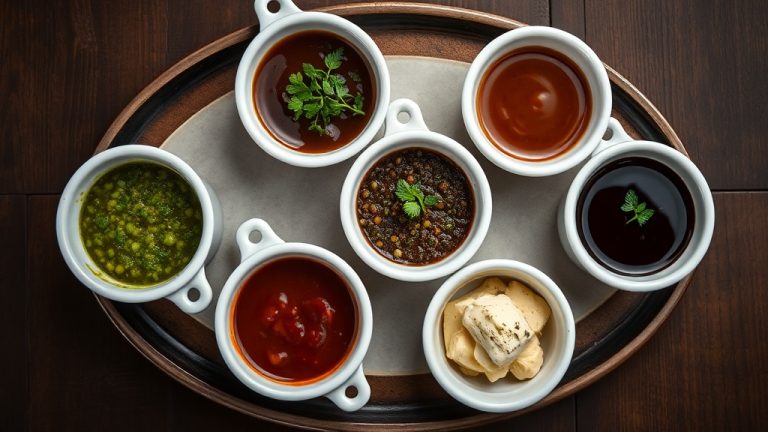
There are two main versions: chimichurri verde (green, parsley-based, sharp and fresh) and chimichurri rojo (red, with added tomatoes or red peppers, smoky and slightly sweet). Both are uncooked, which preserves the volatile compounds in fresh herbs that cooking destroys.
Classic Chimichurri Verde — The Traditional Recipe
Ingredients (makes ~1 cup, serves 4–6):
- 1 cup fresh flat-leaf parsley, tightly packed (about 1 large bunch)
- 4 garlic cloves
- 3 tbsp fresh oregano leaves (or 1 tsp dried)
- ½ tsp red pepper flakes (adjust to heat preference)
- 2 tbsp red wine vinegar
- ½ cup extra-virgin olive oil
- ½ tsp kosher salt
- ¼ tsp black pepper
Method — two approaches:
Traditional (knife and bowl): Finely chop parsley, oregano, and garlic by hand until you have a rough but cohesive mixture. Combine in a bowl with vinegar, salt, and pepper. Slowly whisk in olive oil. The result has texture — individual herb pieces visible, slightly rustic. This is the preferred method if you have 10 minutes.
Fast (blender or food processor): Pulse all ingredients 4–6 times — don’t blend continuously. Over-processing makes chimichurri a smooth green paste, which loses the texture and releases too much chlorophyll, making it bitter.
Rest time matters: Chimichurri tastes significantly better after 30 minutes at room temperature. The garlic mellows, the vinegar integrates, and the herbs bloom in the oil. Make it before you start the grill.
Chimichurri Rojo — Smoky, Rich Variation
Ingredients:
- ½ cup fresh flat-leaf parsley
- 2 tbsp fresh oregano (or 1 tsp dried)
- 3 garlic cloves
- 1 roasted red pepper (jarred is fine), roughly chopped
- 1 tsp smoked paprika
- 1 tsp sweet paprika
- ½ tsp red pepper flakes
- 2 tbsp red wine vinegar
- ½ cup olive oil
- ½ tsp kosher salt
Method: Same as verde — chop by hand or pulse briefly in a food processor. The roasted pepper adds body and sweetness; the smoked paprika gives it a BBQ-forward depth that works particularly well with charcoal-grilled ribeye or picanha.
How to Serve Chimichurri with Steak
There are three moments to use chimichurri:
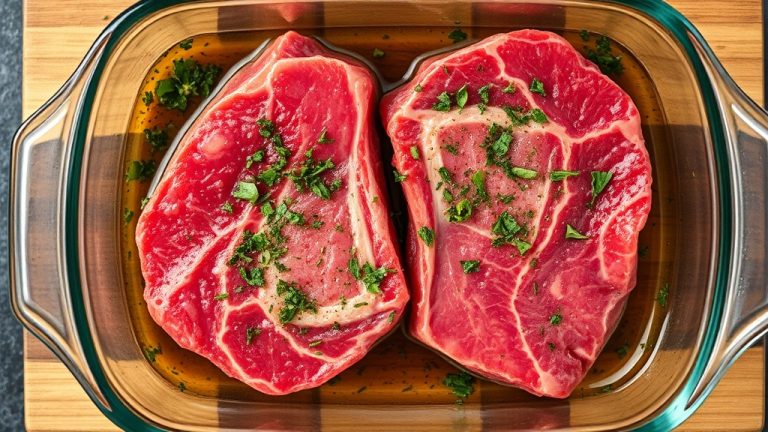
- As a marinade: Coat the steak 30–60 minutes before grilling. The acid tenderizes the surface; the garlic and herbs begin to penetrate. Don’t marinate longer — the acid can change the texture.
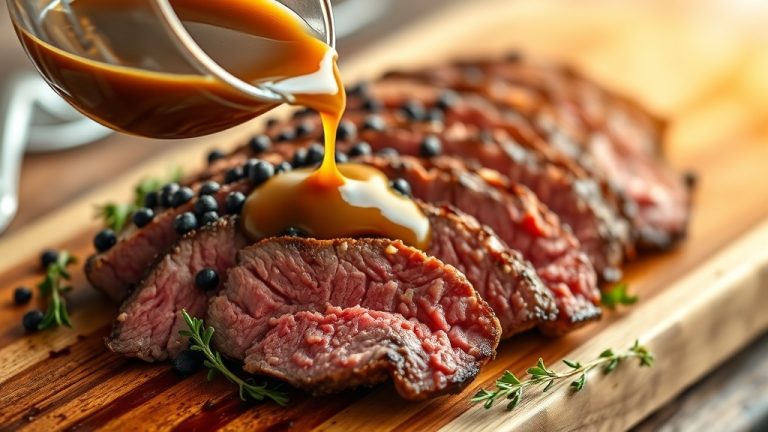
- During resting: Spoon a small amount over the steak immediately after it comes off the grill, while it rests. The residual heat activates the garlic and herbs.
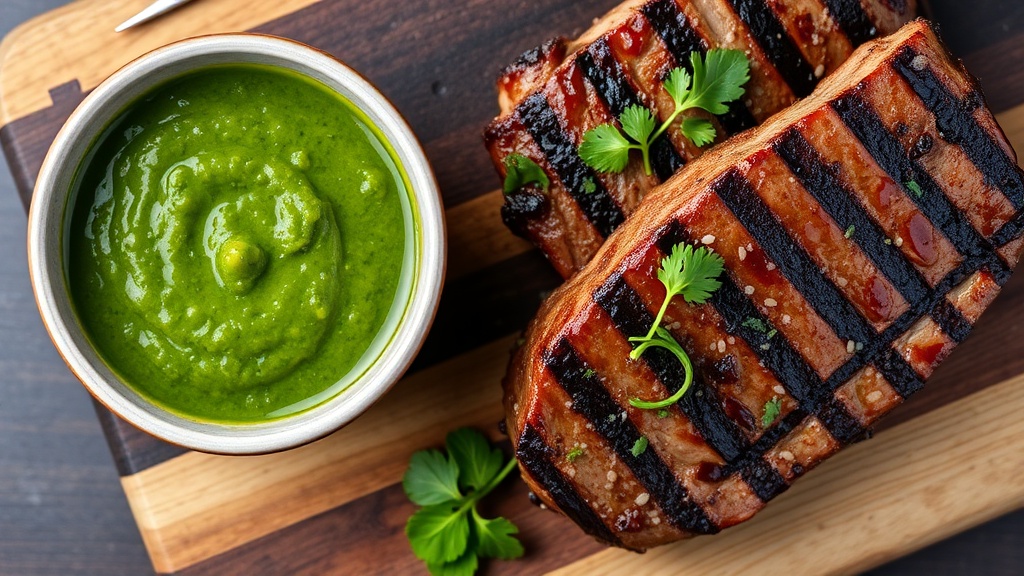
- At the table: The classic approach. Serve the sauce alongside the steak; each person applies to taste. This preserves the crust and gives the most control over flavor balance.
The table-service approach is traditional in Argentina and is usually the right call for a dinner party.
Best Steak Cuts to Pair with Chimichurri
Chimichurri’s brightness and acidity balance best with:
- Picanha: The fat cap’s richness needs chimichurri’s acidity to balance — this is the classic pairing
- Flank steak: Lean, intensely beefy, benefits from the fat in the olive oil and the herb lift
- Skirt steak: Natural partner for chimichurri in churrasco cooking
- NY Strip: Works well; the herb freshness contrasts the strip’s clean beef flavor
- Ribeye: Use sparingly — the chimichurri can overpower the ribeye’s own complex flavor
Storage and Make-Ahead Notes
Chimichurri keeps well in the refrigerator for up to 5 days in an airtight container. The oil will solidify — bring to room temperature for 20–30 minutes before serving and stir to recombine. The garlic will mellow further over days, and some find day-two chimichurri even better than fresh.
For longer storage, freeze in an ice cube tray (1–2 tbsp portions), then transfer cubes to a bag. Frozen chimichurri keeps 3 months. Use directly from frozen on a hot steak — it will melt instantly.
Troubleshooting Common Chimichurri Problems
- Too bitter: Usually over-processed (blended too long) or the parsley stems were included. Use only leaves and tender upper stems. If bitter, add a pinch of sugar and a splash more vinegar to balance.
- Too sharp / too acidic: Add more olive oil and let it rest longer. The acidity integrates as the sauce sits.
- Too mild: More garlic, more red pepper flakes. Taste and adjust before the resting period.
- Wrong texture (too smooth): If you used a blender, next time use a knife or food processor with brief pulses. Smooth chimichurri loses visual appeal and tends toward bitterness.
Frequently Asked Questions
Can I substitute cilantro for parsley in chimichurri?
Yes, and this variation is actually common in parts of Argentina and Ecuador. Cilantro chimichurri has a brighter, more citrus-forward flavor. Use 50/50 parsley and cilantro for a balanced version, or go full cilantro if that flavor profile appeals to you. Note: cilantro chimichurri is more polarizing — it’s excellent if you like cilantro, and not a good idea if you’re feeding a crowd with unknown preferences.
What vinegar is best for chimichurri?
Red wine vinegar is traditional and ideal. Its moderate acidity and grape-derived complexity complement beef well. Sherry vinegar is a close second — slightly more complex. White wine vinegar works but is sharper. Avoid balsamic (too sweet) or apple cider vinegar (clashes with the herbs).
How long should chimichurri sit before serving?
Minimum 30 minutes at room temperature. Maximum: serve within 4–6 hours of making for best fresh herb flavor. Beyond that, it’s still good — just more of a preserved, garlic-forward sauce than a bright herb sauce.
Is chimichurri spicy?
The traditional version is mildly spicy from red pepper flakes. You control the heat by adjusting the amount of flakes. For a zero-heat version, omit entirely. For serious heat, add a fresh red chili or increase flakes to 1 tsp.
Can chimichurri be used as a marinade?
Yes, but keep the marinating time short — 30–60 minutes maximum. The acid in the vinegar will start to cook the surface proteins if left too long, leading to a grayish, slightly mealy exterior before the steak even hits the grill.