New York Strip Steak Guide: Cut, Flavor, Doneness, and Best Cooking Methods
New York Strip Steak Guide: Cut, Flavor, Doneness, and Best Cooking Methods
The New York strip is one of the most recognizable steaks in the world—and for good reason. It has bold beef flavor, a satisfying bite, and enough fat along the edge to stay juicy when cooked correctly. If ribeye is the “rich and buttery” option, New York strip is the “clean, beef-forward classic.”
This guide explains exactly what New York strip is, where it comes from, how it compares to ribeye, which doneness works best, and how to cook it on both grill and skillet for consistent steakhouse results at home.
What Is New York Strip Steak?
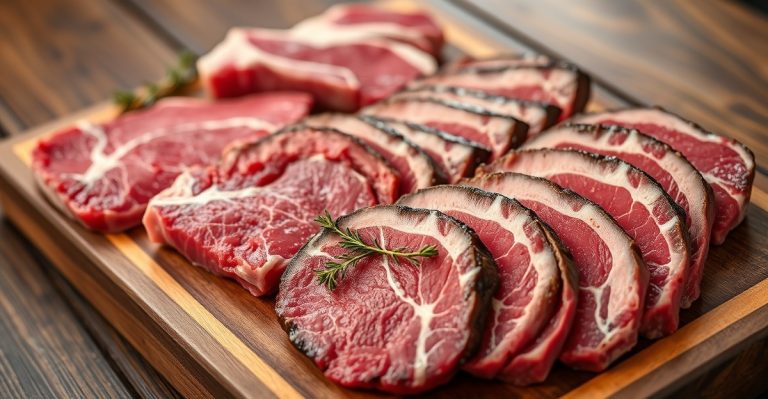
New York strip (also called strip steak, striploin, top loin steak, or Kansas City strip in some regions) is cut from the short loin section of the cow, behind the rib area. This muscle does less work than many other parts of the animal, so it remains relatively tender, but it still has a firmer texture than ribeye or filet mignon.
Its key signature is a strip of external fat along one side, plus moderate internal marbling. That structure gives New York strip its identity: concentrated beef flavor, cleaner mouthfeel than ribeye, and excellent crust potential when seared properly.
New York Strip vs Ribeye: Which One Should You Choose?
Flavor
Ribeye is richer and butterier because of heavier marbling. New York strip tastes more “beefy” and direct, with less fatty sweetness.
Texture
Ribeye is softer and more forgiving. New York strip is firmer with more chew, which many steak lovers prefer.
Fat Profile
Ribeye has marbling throughout. New York strip has a stronger edge fat cap and less internal marbling.
Best Use
Choose New York strip when you want a classic steak bite and pronounced beef flavor without ribeye-level richness.
How to Choose a Great New York Strip
1) Marbling Quality
Look for fine white flecks throughout the center of the meat. Avoid steaks with almost all fat concentrated only in the outer edge.
2) Thickness
Target 1.25 to 1.75 inches. Thin strips overcook quickly and don’t build enough crust before center temp rises too far.
3) Beef Grade
- USDA Prime: more marbling, very forgiving
- USDA Choice: excellent everyday value
- USDA Select: leaner and easier to dry out
4) Color and Surface
Fresh strip should be bright cherry-red to deep red (depending on packaging and aging method), with no gray patches and no excessive liquid pooling.
Best Doneness for New York Strip
New York strip performs best at medium-rare to medium. That range keeps texture juicy while rendering edge fat and preserving flavor balance.
| Doneness | Pull Temp | Final Temp After Rest |
|---|---|---|
| Rare | 120–125°F (49–52°C) | 125–130°F (52–54°C) |
| Medium-Rare | 125–130°F (52–54°C) | 130–135°F (54–57°C) |
| Medium | 135–140°F (57–60°C) | 140–145°F (60–63°C) |
| Medium-Well | 145–150°F (63–66°C) | 150–155°F (66–68°C) |
For most home cooks, pulling at 128–132°F gives the safest path to a perfect medium-rare strip.
How to Cook New York Strip in a Skillet
Ingredients
- 1 New York strip steak (1.25–1.75 in thick)
- Kosher salt
- Fresh black pepper
- High-smoke-point oil
- 2 tbsp butter (optional)
- Garlic + thyme/rosemary (optional)
Method
- Dry and season: Pat dry thoroughly. Salt 40 minutes ahead (or right before cooking if short on time).
- Preheat pan: Heat cast iron until very hot.
- Sear side one: 2–3 minutes without moving.
- Sear side two: 2–3 minutes, then sear fat edge for 20–40 seconds.
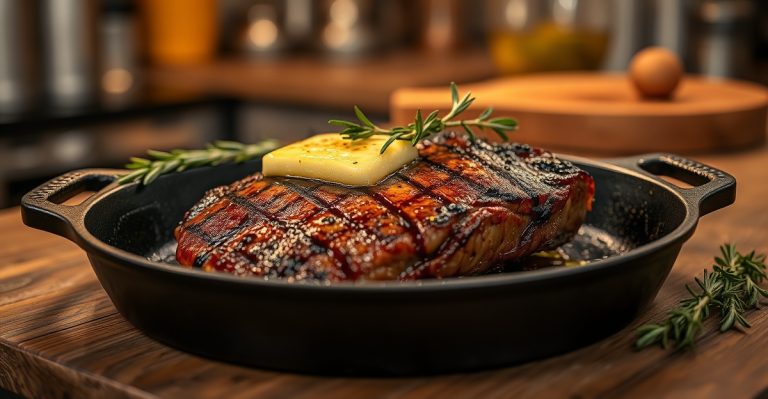
- Butter baste: Lower heat slightly, add butter, garlic, and herbs, then baste briefly.
- Check temp: Pull at target temperature.
- Rest: 5–8 minutes before slicing.
This method gives a deep crust and controlled doneness, especially useful for weeknight cooking.
How to Grill New York Strip
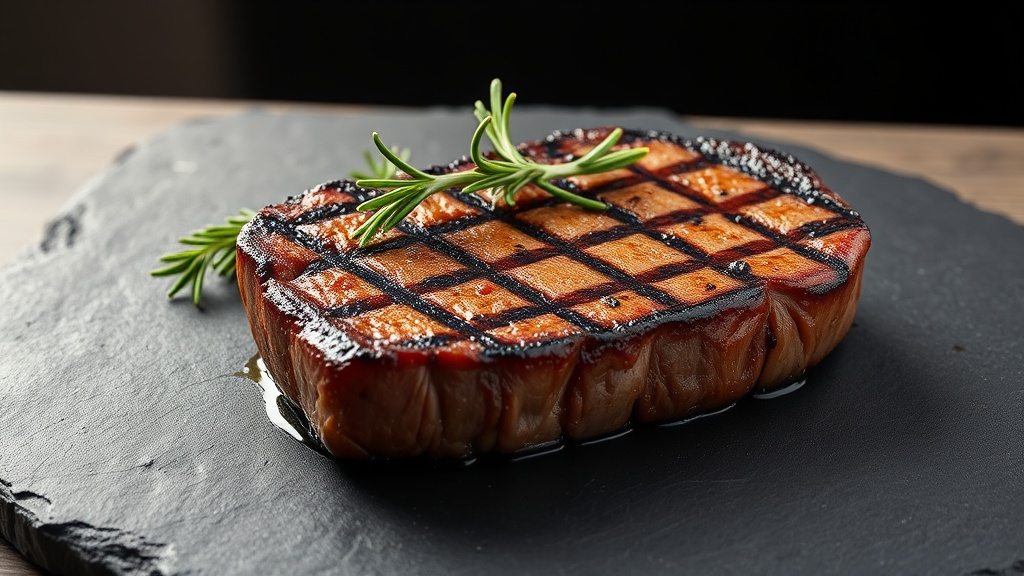
Grill cooking highlights the strip’s beef flavor with smoke and char.
Two-Zone Grill Setup
- Hot zone: direct searing
- Medium zone: finishing to target temp
Steps
- Preheat grill thoroughly.
- Sear each side 1.5–3 minutes over direct heat.
- Move to indirect/medium zone if needed to finish.
- Pull at target temp and rest 7–10 minutes.
For very thick strips (2 inches+), reverse sear gives better edge-to-edge control.
Should You Marinate New York Strip?
Usually not necessary. New York strip already has strong beef flavor and enough tenderness for direct seasoning. Heavy marinades can mask its character.
Better options:
- Simple salt + pepper + butter baste
- Dry brine overnight for deeper seasoning
- Finishing sauce after cooking (chimichurri, peppercorn, red wine reduction)
Best Sauces and Sides for New York Strip
Top Sauce Pairings
- Peppercorn cream sauce
- Chimichurri
- Garlic-herb butter
- Blue cheese butter
Great Side Dishes
- Crispy potatoes or mashed potatoes
- Roasted mushrooms
- Grilled asparagus
- Simple green salad with acidity (lemon/vinegar)
Use contrast: rich steak plus bright, acidic components gives better balance.
Common New York Strip Mistakes
Not rendering fat edge
Fix: hold steak on fat side briefly with tongs.
Pan not hot enough
Fix: preheat longer. Gray steak means weak Maillard reaction.
No resting period
Fix: rest at least 5 minutes to keep juices inside.
Slicing with the grain
Fix: slice against the grain for tenderness.
Nutrition Snapshot
Exact values vary by trim and grade, but New York strip is generally high in protein, rich in iron and B vitamins, and moderate-to-high in fat. Compared to ribeye, it is often slightly leaner while still delivering full steakhouse flavor.
Final Takeaway
New York strip is the benchmark steak for people who want pure beef flavor with a structured bite. Buy it thick, cook to medium-rare or medium, render the edge fat, and rest before slicing. With those steps, this cut becomes one of the most dependable and impressive steaks you can cook at home.
Dry-Aging, Wet-Aging, and Flavor Development
New York strip responds very well to aging. Wet-aged strip keeps a cleaner, more straightforward beef character and often feels juicier. Dry-aged strip develops nuttier, concentrated flavor with subtle funk and deeper savory notes. If you are building a premium home steak experience, a 21- to 35-day dry-aged strip is a strong upgrade.
For weeknight cooking, high-quality wet-aged Choice still performs extremely well. The key is consistency in sourcing and thickness, not just label prestige.
How to Handle New York Strip for Meal Prep
If you buy steaks in larger packs, portioning and storage technique directly affects final quality. Keep individual steaks wrapped tightly, remove excess air, and chill at stable refrigerator temperature. For freezing, vacuum seal where possible. Thaw slowly in the fridge, then dry thoroughly before cooking. Rapid thawing at room temperature can create uneven surface moisture and weak sear results.
A practical workflow is to season after thawing, then dry brine overnight for the next day’s cook. That gives you cleaner crust and more reliable doneness.
Serving New York Strip for Guests
For dinner parties, cook two large strips to medium-rare and slice against the grain on a board just before serving. This lets guests choose portion size and keeps service smoother than managing multiple individual steaks. Finish with flaky salt and a side sauce rather than drowning the meat directly. You preserve crust while still offering flexibility.
If some guests prefer higher doneness, quickly return sliced portions to a warm pan for 20–40 seconds without overcooking the whole steak.
Wine and Beverage Pairings
New York strip pairs best with medium-to-full-bodied reds that support its beef intensity without overpowering texture. Cabernet Sauvignon, Malbec, Syrah, and Tempranillo are classic choices. If you prefer beer, choose amber ales, stouts, or dry-hopped IPAs depending on whether your side sauce is creamy or herb-forward.
For non-alcoholic pairing, sparkling water with citrus or unsweetened black iced tea helps cut through fat and refresh the palate between bites.
Final Practical Checklist
- Buy thick (1.25+ inches)
- Pat dry completely
- Salt early when possible
- Sear hard, finish controlled
- Use thermometer
- Rest before slicing
- Slice against grain
If you follow this checklist consistently, New York strip becomes one of the easiest premium steaks to master at home.
FAQ: New York Strip
Should I trim the fat cap before cooking?
No. Keep it during cooking for flavor and moisture support. Trim after cooking if you want a leaner serving.
Can I cook New York strip from frozen?
You can, but results are less consistent. Thaw slowly in the refrigerator for best texture and even doneness.
Is New York strip good for beginners?
Yes. It is easier than many people expect, especially when you use a thermometer and proper resting time.
Pan or grill—what is better?
Both are excellent. Pan gives more control and easy basting; grill adds smoke and char depth.