How to Cook Steak in Oven: Complete Guide for Perfect Results
Choosing the Right Steak Cut for Oven Cooking
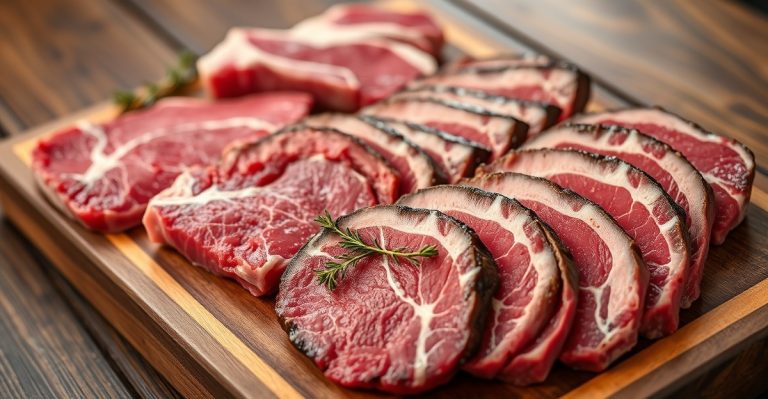
Not all steaks cook equally well when you learn how to cook steak in oven methods. The cut you choose determines whether you’ll end up with a perfectly crusted exterior and a tender, juicy interior or a disappointing, unevenly cooked result. Understanding which cuts work best helps you plan meals with confidence and avoid wasting premium beef.
Rib-eye steaks excel in oven cooking because their generous fat marbling self-bastes the meat throughout the cooking process. New York strip steaks offer leaner, beefier flavor while still maintaining enough intramuscular fat for moisture. Filet mignon provides tenderness but requires careful attention since it lacks protective fat layers.
T-bone and Porterhouse steaks work beautifully if you’re comfortable managing the different cooking rates between the strip and tenderloin sections. Chuck eye steaks deliver exceptional flavor at a lower cost and perform reliably in high-heat oven settings.
Best oven steaks include: Rib-eye steaks contain 6-8% intramuscular fat for consistent tenderness. New York strip steaks offer 2-3% marbling with bold beef flavor. Filet mignon provides maximum tenderness but minimal fat. T-bone and Porterhouse steaks combine two cuts in one. Chuck eye steaks deliver rich marbling at budget-friendly prices.
Thickness matters significantly for even cooking when learning how to cook steak in oven. Steaks thinner than 1.25 inches cook too quickly on the surface before the interior reaches your target temperature, often resulting in overcooked edges. Aim for steaks between 1.5 and 2 inches thick—this thickness allows the exterior to develop a proper crust while the center reaches medium-rare or medium without drying out.
Fat content and marbling determine how forgiving your steak will be during cooking. Heavily marbled steaks with white fat running throughout the meat stay tender even if slightly overdone. Look for USDA Prime or high-Choice grades with visible fat streaks.
Essential Equipment and Preparation Steps
Successful oven cooking hinges on having the right equipment and preparing your steak properly before heat hits the meat. The tools you use and how you ready your beef determine whether you’ll achieve restaurant-quality results or fall short of expectations. Proper preparation makes mastering how to cook steak in oven achievable for home cooks.
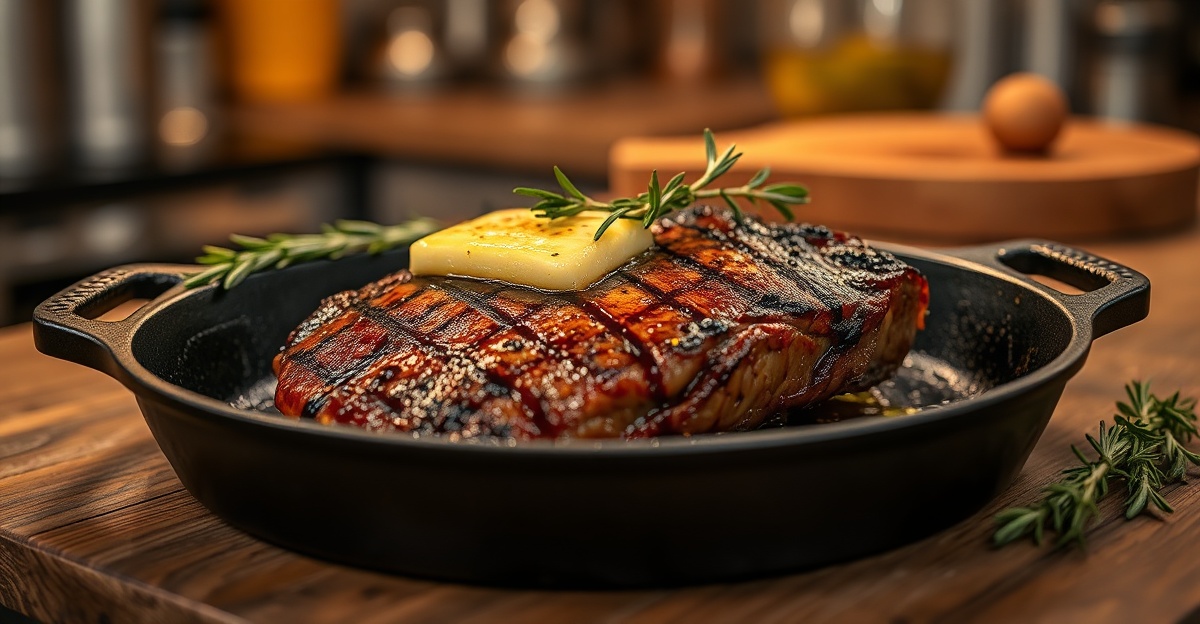
A cast-iron skillet is your most valuable tool for oven steak cooking. Cast iron retains heat exceptionally well, distributing it evenly across the steak’s surface and creating the flavorful brown crust that defines a quality sear. Stainless steel pans work as a secondary option, though they don’t hold heat quite as effectively.
Essential tools for oven steak cooking include: a cast-iron skillet (10-12 inches) for even heat distribution, an instant-read meat thermometer for accurate doneness testing, kitchen tongs for safe handling, paper towels for patting steaks dry, and a sharp knife for slicing. A baking sheet or trivet helps protect your oven rack, while aluminum foil allows tenting if browning becomes too dark.
Steak preparation directly impacts your final results. Remove your beef from the refrigerator 40 to 60 minutes before cooking—room temperature meat cooks more evenly throughout, preventing a cold center surrounded by overcooked edges. Pat the surface completely dry with paper towels; moisture prevents proper browning and steam rises instead of searing.
Season generously with kosher salt and coarse black pepper right before cooking, never hours ahead. Salt drawn from the surface by osmosis creates a sticky film that inhibits browning; applying it immediately before heat allows flavors to penetrate without disrupting the sear. This timing is crucial when you cook steak in oven methods.
Step-by-Step Oven Steak Cooking Method
The searing step transforms your steak from raw beef into restaurant-quality meat with a caramelized exterior. Heat your cast-iron skillet over high heat until wisps of smoke appear—this typically takes 2 to 3 minutes depending on your stovetop’s power. The pan must be searingly hot; if it’s merely warm, you’ll steam the meat instead of searing it.
Press the steak gently against the pan for the first 30 seconds—this ensures maximum contact between the meat and heat source, promoting even browning. Resist the urge to move it around; let it sit undisturbed for 3 to 4 minutes on the first side. A properly seared steak develops a dark brown, crusty exterior that locks in juices and creates complex, savory flavors through the Maillard reaction.
To sear a steak properly for oven cooking: (1) Heat cast iron over high heat until smoking appears, (2) Add high-smoke-point oil and swirl to coat, (3) Place seasoned steak on pan and press gently for 30 seconds, (4) Leave undisturbed for 3-4 minutes without flipping, (5) Flip once and sear the second side for 2-3 minutes, (6) For steaks thicker than 1.75 inches, sear the edges upright with tongs for 15-20 seconds per side.
Transfer the seared steak to your preheated 425°F oven immediately. This is the core technique when you cook steak in oven—combining stovetop searing with oven finishing. Place the cast-iron skillet on the middle rack where heat is more consistent. A 1.5-inch steak typically requires 8 to 12 minutes in the oven, while a 2-inch steak needs 12 to 18 minutes.
Stop cooking based on internal temperature, not time alone. Remove the steak from the oven when it reaches 5 to 10 degrees below your target doneness—the residual heat will push it the final few degrees while it rests. Insert your instant-read thermometer horizontally into the thickest part of the steak, avoiding any bone or fatty areas that could give false readings.
Internal temperature targets for oven-cooked steaks: Rare = 120°F, Medium-Rare = 130-135°F, Medium = 135-145°F, Medium-Well = 145-155°F, Well-Done = 155-160°F. Remove steaks from the oven 5-10 degrees before target temperature to account for carryover cooking during the 5-minute resting period.
Once your steak reaches the target temperature, immediately transfer it to a cutting board or warm plate. Allow the steak to rest for 5 to 10 minutes before cutting—this patience pays off when you master how to cook steak in oven properly. During resting, muscle fibers relax and reabsorb the juices that cooking forced outward.
Resting and Serving Your Oven-Cooked Steak
Resting transforms a good steak into an exceptional one. When heat penetrates the meat, muscle proteins contract and squeeze out moisture toward the surface. Allowing 5 to 10 minutes of rest gives those muscle fibers time to relax and reabsorb the expelled juices, distributing them evenly throughout the meat. A steak that goes straight from pan to plate loses this precious liquid to your cutting board instead of your palate.
Temperature continues rising during rest—a phenomenon called carryover cooking. A steak removed at 125°F will climb to approximately 130-135°F by the time you cut into it. This is why removing your steak 5 to 10 degrees below target temperature matters when you cook steak in oven.
Rest oven-cooked steaks for 5 to 10 minutes before slicing or serving whole. During this period, muscle fibers relax and reabsorb cooking juices, maximizing tenderness and juiciness. Temperature rises 5 to 10 degrees through carryover cooking, so remove steaks from the oven when they’re slightly below your target doneness rather than at it.
Slicing technique determines whether your steak remains tender or becomes tough and stringy. Always cut perpendicular to the direction the muscle fibers run—slicing across the grain rather than along it shortens the fiber length and makes each bite easier to chew. For a whole steak presentation, slice against the grain at roughly 0.5-inch intervals if you prefer individual pieces.
The type of steak you’re serving influences how you present it. Boneless steaks like rib-eye and New York strip slice cleanly and look elegant when fanned on a plate. T-bone and Porterhouse steaks are impressive served whole—the bone adds visual appeal and allows diners to enjoy the meat on both sides.
Proper slicing technique: (1) Identify the grain direction by examining the muscle fibers running through the steak, (2) Position your knife at a 90-degree angle to these fibers, (3) Use smooth, downward cuts rather than sawing motions, (4) Slice to approximately 0.5-inch thickness for optimal tenderness and presentation, (5) Serve immediately on warm plates to maintain heat and texture.
Accompaniments elevate oven-cooked steak from good to restaurant-quality. A compound butter infused with garlic, fresh herbs, and sea salt melts across the warm steak surface, adding richness and complexity. Classic steakhouse sides—loaded baked potatoes, creamed spinach, roasted asparagus, or grilled mushrooms—complement the steak without overwhelming it.
Wine pairing decisions should follow simple logic. Full-bodied red wines with moderate tannins—Cabernet Sauvignon, Malbec, or Bordeaux blends—pair naturally with fatty, marbled steaks like rib-eye. Leaner cuts like New York strip and filet mignon work beautifully with medium-bodied reds such as Pinot Noir or Côtes du Rhône.
Seasoning decisions after cooking should be minimal. Your steak received kosher salt and pepper before searing, creating a flavorful crust. Additional seasoning at the table allows diners to adjust to their preference without the chef dictating the final taste. Resist the urge to add multiple sauces or heavy toppings—they mask the quality and craftsmanship visible in a perfectly cooked steak.
Frequently Asked Questions
What temperature should I cook steak in the oven?
Cook steak in a preheated 400-450°F oven after searing. This temperature ensures even cooking while maintaining a tender interior.
How long does it take to cook steak in the oven?
Oven cooking time varies by thickness and desired doneness: 3-5 minutes for medium-rare, 5-7 minutes for medium, and 7-9 minutes for medium-well in a 1-1.5 inch thick steak.
Should I flip steak when cooking in the oven?
No, do not flip steak during oven cooking. The searing process before oven transfer provides the crust, while the oven cooks evenly from all sides without flipping.
Can I cook frozen steak in the oven?
While possible, it's better to thaw steak completely before oven cooking for even results. Frozen steak requires longer cooking times and may cook unevenly.