Best Steak Cuts: Ultimate Guide to Premium Beef Selection
What Makes a Steak Cut the Best Choice
The best steak cut combines three critical elements: marbling, tenderness, and flavor intensity. These characteristics determine whether you’ll enjoy a memorable meal or a disappointing plate.
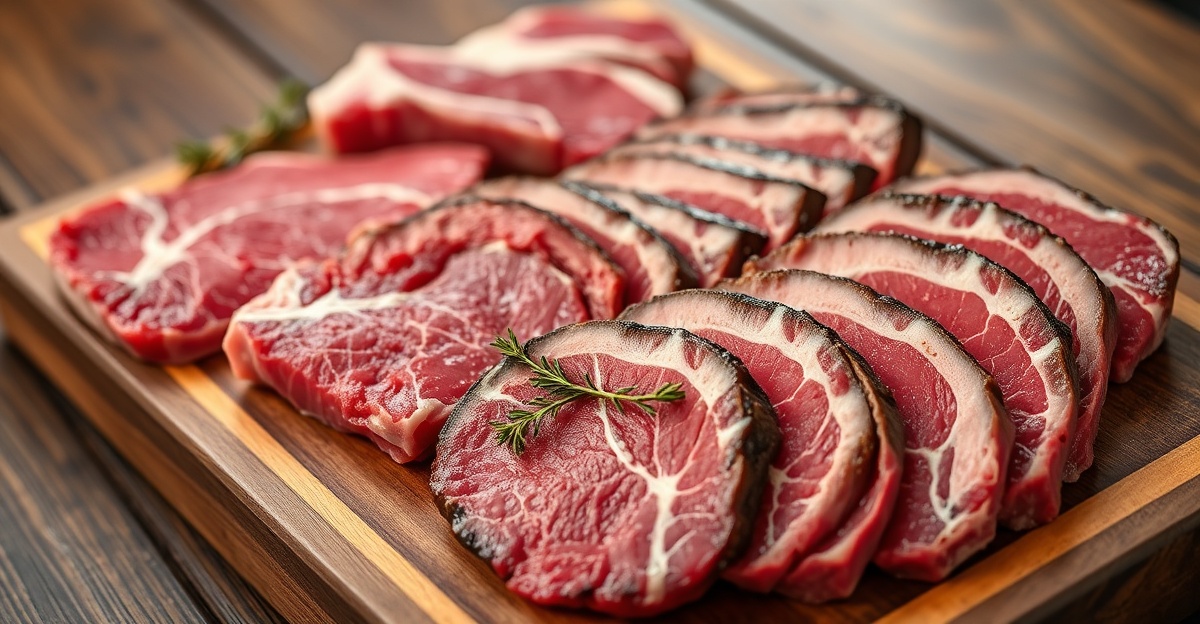
Marbling—the white fat lines running through the red meat—forms the foundation of superior steak quality. Fat melts during cooking and carries flavor compounds throughout the muscle, making heavily marbled cuts like ribeye and wagyu inherently more delicious than lean alternatives. Prime and Prime Plus grades feature superior marbling compared to Choice or Select grades, which directly impacts taste and juiciness.
Tenderness depends on muscle structure and connective tissue density. Steaks from less-worked muscles (like the tenderloin) remain naturally tender, while cuts from heavily exercised areas (like the chuck) require marinating or special cooking methods. The rib section and short loin produce tender steaks because these muscles don’t bear much of the animal’s weight during its lifetime.
Flavor intensity varies by cut based on muscle composition and fat content distribution. Fattier cuts develop richer, beefier flavors through fat rendering. Leaner cuts can taste mild unless cooked with high-heat methods that create a flavorful crust through browning reactions.
The three markers of premium steak quality:
- Abundant marbling (intramuscular fat) that renders during cooking for enhanced flavor
- Low connective tissue density enabling natural tenderness without special preparation
- High myoglobin and fat content for concentrated beef flavor development
Ribeye: The King of Marbled Steak Cuts
Ribeye stands as the gold standard among premium steak cuts because it delivers exceptional marbling throughout the entire muscle. This premium selection comes from the rib section of the cow, where muscles see minimal movement, preserving tenderness while surrounding fat renders into rich, savory flavor during cooking.
The marbling pattern in ribeye separates it from leaner alternatives completely. Prime-grade ribeyes contain 8-12% intramuscular fat, while Prime Plus specimens exceed 12% fat content. This abundant marbling means every bite carries concentrated beef flavor—the fat acts as a natural flavor carrier that melts between muscle fibers as the steak cooks.
When you sear a ribeye at high temperature, the rendered fat creates a caramelized crust while keeping the interior juicy and tender. Cooking flexibility makes ribeye dominate steakhouse menus and home kitchens alike—the fat content insulates the meat from drying out during preparation.
Ribeye delivers high marbling content (8-12% fat in Prime grade), rich beefy flavor from abundant intramuscular and surface fat, and cooking versatility ranging from pan-searing to grilling without requiring special techniques. The rib section’s naturally tender muscles combined with heavy fat distribution make ribeye forgiving for both beginners and advanced cooks seeking the best steak cut for flavor.
Filet Mignon: Ultra-Tender Premium Cut
Filet mignon represents the pinnacle of tenderness among beef cuts, coming from the tenderloin muscle that runs along the cow’s spine. This muscle does almost no work during the animal’s lifetime, resulting in meat so soft it can be cut with a fork.
The tenderloin’s location and minimal movement create naturally low connective tissue density. Unlike rib muscles that support the animal’s weight and develop collagen networks, the tenderloin remains protected and underutilized throughout the cow’s life. This structural advantage means filet mignon requires no marinading, tenderizing hammers, or slow-cooking techniques—the meat arrives impossibly soft simply through proper cooking temperature.
Lean muscle composition defines filet mignon’s character and premium pricing structure. With only 3-4% intramuscular fat in Prime grades, filet mignon lacks the marbling abundant in ribeye or New York strip cuts. This leanness means the steak doesn’t carry the same concentrated beef flavor that fat-rich cuts provide naturally.
Filet mignon delivers maximum tenderness from the least-used muscle on the cow (the tenderloin), contains minimal intramuscular fat (3-4% in Prime grade), and commands premium prices—$45-$60 per pound retail—due to limited yield and consistent textural excellence across all preparation methods.
Premium pricing reflects filet mignon’s scarcity and consistency as the best steak cut for texture. A single tenderloin yields only 4-6 steaks compared to dozens of cuts from the rib section. Restaurants charge $50-$75 per serving because diners specifically seek this muscle’s unmatched tenderness and willingly pay premium prices for guaranteed quality.
New York Strip: Balance of Flavor and Texture
The New York strip occupies the middle ground between ribeye’s marbling intensity and filet mignon’s pure tenderness. Cut from the short loin section, this steak delivers a firmer bite than ribeye while maintaining enough intramuscular fat to develop rich, beefy flavors without requiring heavy sauces.
Marbling in New York strip averages 5-8% intramuscular fat in Prime grades—substantially less than ribeye’s 8-12% but more abundant than filet mignon’s 3-4% content. This moderate fat distribution creates a distinct advantage: the steak develops a flavorful crust when seared while the leaner muscle structure produces a firmer, meatier texture that many beef enthusiasts prefer over softer alternatives.
The short loin muscles that produce New York strip see moderate use during the cow’s life, creating connective tissue levels between the heavily exercised chuck and the sedentary tenderloin. This means New York strip arrives tender enough to cook without marinating, yet firm enough to deliver textural satisfaction with defined grain lines visible when sliced properly.
New York strip steak combines 5-8% intramuscular fat content for moderate marbling, firm and defined texture from the short loin muscle, and consistent performance across grilling, pan-searing, and broiling methods. Many consider this the best steak cut for balanced beef flavor and satisfying bite without requiring fat supplementation like filet mignon.
T-Bone and Porterhouse: Two Cuts in One
T-bone and porterhouse steaks offer something no other cut delivers: two distinct muscles separated by a T-shaped bone, giving you ribeye-style texture on one side and filet mignon tenderness on the other. These bone-in cuts come from the short loin section where the strip muscle and tenderloin meet, creating a single steak that satisfies multiple preferences.
The bone itself conducts heat directly into the meat during cooking, creating faster and more even temperature distribution than boneless cuts. The bone also contributes subtle flavor compounds that dissolve into the surrounding meat during the searing and resting process, making many consider this among the best steak cut options for flavor development.
Size distinction between T-bone and porterhouse matters significantly for cooking results. A T-bone’s smaller tenderloin portion cooks quickly because the muscle is thin and lacks intramuscular fat to insulate it from overcooking. The strip side requires longer cooking to reach medium-rare temperature, creating timing challenges during preparation.
T-bone steaks contain both New York strip and filet mignon separated by a T-shaped bone, with the tenderloin side measuring less than 1.25 inches thick at its widest point. Porterhouse steaks are structurally identical but require the tenderloin section to measure at least 1.25 inches in thickness, making them substantially larger and typically costing $50-$75 per pound at retail.
Porterhouse steaks solve timing problems through sheer size. The thick tenderloin section (1.25+ inches) provides enough mass to cook alongside the strip without temperature differential issues. Both sides reach medium-rare simultaneously when using proper high-heat searing techniques, making porterhouse significantly more forgiving than T-bone during preparation.
Choosing Your Perfect Steak Cut
Selecting the best steak cut depends less on which muscle is objectively superior and more on matching the meat’s characteristics to your cooking method, budget, and flavor preferences. The perfect steak exists at the intersection of what you enjoy eating, how you plan to cook it, and what you’re willing to spend per pound.
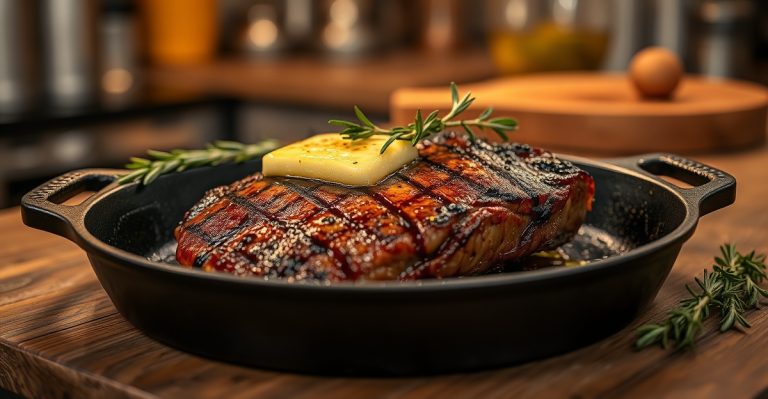
Your cooking method dramatically influences which cut will deliver optimal results. Filet mignon excels in cast-iron skillet cooking because its tender structure doesn’t require aggressive heat or extended cooking time. Ribeye thrives on outdoor grilling where fat can render slowly over indirect heat, dripping away excess grease while the marbling bastes the meat from within naturally.
New York strip performs equally well on cast iron, grill, or broiler because its moderate fat content and firmer muscle structure conduct heat predictably across different cooking surfaces. T-bone and porterhouse steaks demand careful heat management due to their two distinct muscles, making them best suited for high-heat searing followed by oven finishing.
Cooking method compatibility for the best steak cut selection: Cast-iron skillet cooking suits filet mignon and New York strip; outdoor grilling favors ribeye with higher fat content; broiler cooking works well for strip steaks; oven-finishing technique is essential for T-bone and porterhouse steaks due to dual-muscle composition.
Budget considerations shift perspective on premium cuts significantly. At $45-$60 per pound, filet mignon represents the highest price point justified by unmatched tenderness rather than intense flavor. Ribeye at $30-$50 per pound offers more intramuscular fat and beef flavor intensity for slightly less money, making it the preferred choice for diners seeking maximum flavor per dollar spent.
Personal preference for flavor intensity versus tenderness should guide your selection process. If you prioritize impossibly soft, fork-tender texture and don’t mind supplementing lean meat with sauce, filet mignon justifies its premium price. If you want concentrated beef flavor with textural chew and don’t mind higher fat content, ribeye delivers maximum satisfaction as the best steak cut for flavor enthusiasts.
- Identify your primary cooking method (cast iron, grill, broiler, or oven-finishing technique)
- Determine your flavor priority from maximum tenderness to maximum beef intensity
- Calculate your per-steak budget including desired thickness and portion size
- Match preferences to filet mignon (tenderness), ribeye (flavor), New York strip (balance), or porterhouse (experience both)
- Purchase from a butcher when possible for superior marbling consistency and custom cutting thickness
Frequently Asked Questions
What is the most tender steak cut?
Filet mignon is the most tender steak cut, sourced from the tenderloin muscle that receives minimal exercise, resulting in exceptionally soft texture and fine grain.
Which steak cut has the best flavor?
Ribeye typically offers the best flavor due to its high marbling content (20-25% intramuscular fat), which creates rich, buttery taste and intense beef flavor.
What's the difference between T-bone and Porterhouse steaks?
Porterhouse steaks contain larger tenderloin sections (minimum 1.25 inches) while T-bone steaks have smaller tenderloin portions (minimum 0.5 inches), both featuring the same T-shaped bone.
How do I choose between ribeye and New York strip?
Choose ribeye for maximum marbling and rich flavor, or New York strip for balanced marbling with firmer texture and more moderate pricing.