The Complete Guide to Brisket Smoking: Master the Art of Low and Slow
Smoking a brisket is one of the most rewarding challenges in BBQ culture. This cut of beef transforms from tough to tender through patience, technique, and understanding the science behind low-and-slow cooking. Whether you’re a backyard beginner or looking to refine your method, this guide covers everything you need to know about brisket smoking.
Understanding Your Brisket Cut
Before firing up your smoker, understanding brisket anatomy makes a significant difference. A whole packer brisket consists of two muscles: the flat and the point. The flat is leaner and slices beautifully, while the point contains more marbling and fat, making it ideal for burnt ends.
When selecting your brisket, look for good marbling throughout and a thick, even fat cap. USDA Choice grade offers excellent results for most home pitmasters, though Prime grade delivers even more marbling. Plan on one pound per person when calculating portions.
Essential Equipment and Setup
Successful brisket smoking doesn’t require expensive equipment, but certain tools improve consistency. A reliable smoker—whether offset, pellet, kettle, or electric—that maintains steady temperatures between 225-275°F is essential. A quality meat thermometer with dual probes lets you monitor both chamber and internal meat temperature without opening the lid.
For fuel, many pitmasters prefer oak or hickory for brisket, though mesquite, cherry, and pecan also work well. Avoid over-smoking with heavy woods; you want complementary smoke flavor, not overpowering bitterness.
The Trimming Process
Proper trimming sets up better bark formation and even cooking. Remove the thick fat cap down to about 1/4 inch, creating an even surface. Trim away hard fat and silver skin, which won’t render during cooking. Square off uneven edges so the brisket cooks uniformly.
Some pitmasters separate the point from the flat for more control, though beginners often find keeping the whole packer together more forgiving. The fat between the two muscles naturally bastes the leaner flat during cooking.
Seasoning Your Brisket
Traditional Texas-style brisket uses a simple 50/50 blend of coarse black pepper and kosher salt. This classic approach lets the beef and smoke shine. Apply seasoning generously—the “Dalmatian rub” should coat the entire surface.
For variation, add garlic powder, onion powder, or paprika, but remember that brisket smoking is about beef flavor enhanced by smoke, not masked by spices. Season at least an hour before smoking, or overnight in the refrigeround for deeper penetration.
The Smoking Process
Preheat your smoker to 250°F for optimal results. Some pitmasters go as low as 225°F for extra tenderness or as high as 275°F to speed the process—both work, though cooking times vary significantly.
Place the brisket fat-side up or down depending on your heat source. Fat-side up allows rendering fat to baste the meat; fat-side down protects the leaner flat from direct heat. In offset smokers with heat from the side, many experts recommend fat-side toward the firebox.
Maintain clean, thin smoke throughout. Heavy white smoke creates bitter, acrid flavors. You want barely visible blue smoke after the first hour. Add wood chunks or chips every hour or so, but don’t overdo it—smoke absorption happens primarily in the first few hours.
The Stall and the Wrap
Around 150-170°F internal temperature, brisket enters “the stall”—a frustrating plateau where temperature barely rises for hours. This happens as moisture evaporates and cools the meat. You can wait it out (patience rewarded with better bark) or wrap the brisket to push through.
The “Texas crutch” involves wrapping in aluminum foil at the stall, trapping moisture and speeding cooking. Butcher paper offers a middle ground—it allows some moisture escape while still accelerating the cook. Unwrapped brisket develops the best bark but takes longest.
If wrapping, wait until good bark has formed, usually around 165-170°F internal. Add a splash of beef broth, apple juice, or nothing at all, then seal and return to the smoker.
Knowing When It’s Done
Forget target temperatures alone—brisket is done when it’s done. Most finish between 195-205°F internal, but texture matters more than numbers. The brisket should feel like soft butter when probed. A thermometer or skewer should slide in with minimal resistance, like probing room-temperature cream cheese.
Test multiple spots, especially in the thickest part of the flat. Undercooked brisket is chewy; overcooked disintegrates. The sweet spot gives with gentle pressure while still holding its shape.
The Crucial Rest Period
Never skip the rest. Brisket needs at least one hour, ideally two to four hours, wrapped in a towel inside a cooler. This redistributes juices throughout the meat and allows carryover cooking to finish the process. Many competition teams rest for six hours or more without quality loss.
The internal temperature will remain safe for serving as long as it stays above 140°F, which a well-insulated cooler maintains easily.
Slicing and Serving
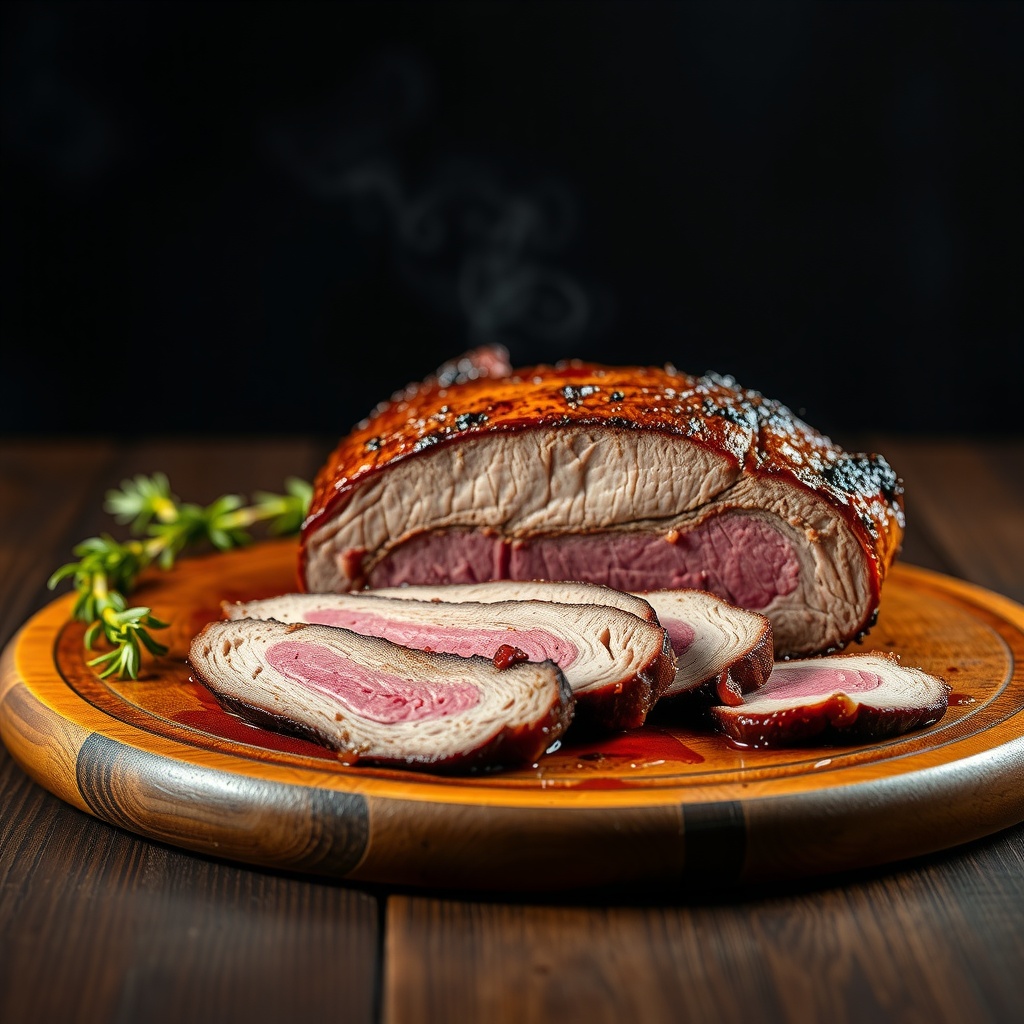
Slicing technique transforms good brisket into great brisket. Always slice against the grain for maximum tenderness. The flat and point have different grain directions, so you’ll need to adjust your angle when moving between sections.
Slice the flat about pencil-thickness for traditional presentation. The point can be cubed for burnt ends or sliced slightly thicker. A sharp slicing knife makes clean cuts without shredding the meat.
Common Mistakes to Avoid
New brisket smokers often make predictable errors. Cooking too hot rushes the process and creates tough meat. Opening the smoker frequently drops temperature and extends cooking time. Under-seasoning leaves bland bark. Slicing with the grain results in chewy, stringy texture.
Perhaps the biggest mistake is impatience—great brisket cannot be rushed. Plan for 1-1.5 hours per pound at 250°F, though every brisket cooks differently based on thickness, density, and individual characteristics.
Final Thoughts
Brisket smoking combines art and science. Your first attempt might not be perfect, but each cook teaches valuable lessons. Keep notes on temperature, timing, wood types, and results. Over time, you’ll develop instincts for your specific equipment and preferences.
The journey from selecting a raw brisket to slicing tender, smoke-kissed slices takes practice, but few BBQ achievements match the satisfaction of mastering this craft. Fire up your smoker, embrace the process, and enjoy becoming part of the brisket smoking tradition.