Denver Steak: The Ultimate Guide to the Most Underrated Cut
Denver steak is a beef cut taken from the serratus ventralis muscle in the chuck primal — specifically the under blade section. It ranks as the fourth most tender cut on the entire animal, yet it remains one of the most underrated steaks at the butcher counter. A Denver steak is characterized by rich marbling, a bold beefy flavor, and a firm-yet-tender texture that rewards high-heat cooking methods.
What Makes Denver Steak Special
The Denver steak sits within the chuck, an area traditionally reserved for slow-cooking due to its tough connective tissue. But the serratus ventralis muscle does very little work, which means the Denver cut develops excellent marbling without becoming chewy. The result is a steak that delivers chuck-level flavor intensity with strip-level tenderness — an unusual and highly desirable combination.
Average weight runs between 8 and 14 ounces. The cut is rectangular with a consistent thickness, making it easier to cook evenly than irregularly-shaped cuts like skirt or flank.
Denver Steak vs. Other Chuck Cuts
| Cut | Tenderness | Flavor | Best Method |
|---|---|---|---|
| Denver Steak | Very High (4th overall) | Bold, beefy | High-heat sear / grill |
| Flat Iron | High (2nd overall) | Rich, buttery | Pan sear / grill |
| Chuck Roast | Low | Deep, rich | Braise / slow cook |
| Chuck Eye | Medium | Very beefy | Pan sear |
How to Cook Denver Steak: Step-by-Step
Denver steak performs best over high, direct heat. Follow these steps for a perfect medium-rare result:
- Bring to room temperature. Remove from refrigerator 30–45 minutes before cooking. Cold steak cooks unevenly.
- Season generously. Coat all sides with kosher salt and freshly cracked black pepper. Optionally add garlic powder. Press seasoning firmly into the surface.
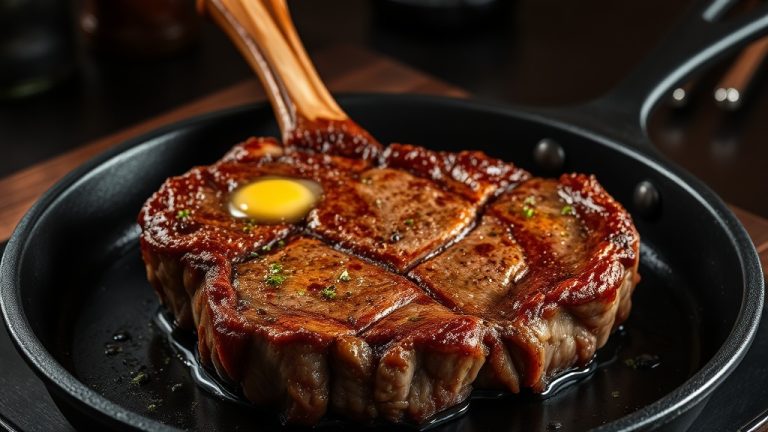
- Preheat your cooking surface. Cast iron skillet or grill grates should reach 450–500°F (232–260°C) before the steak touches the surface.
- Sear first side. Cook undisturbed for 3–4 minutes. You need a deep brown crust to develop — resist the urge to move it.
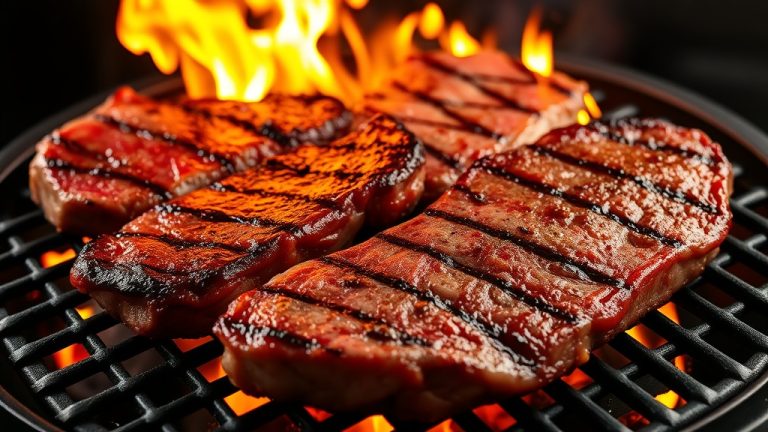
- Flip once. Sear the second side for 2–3 minutes. For grill: rotate 45° halfway through each side for crosshatch marks.
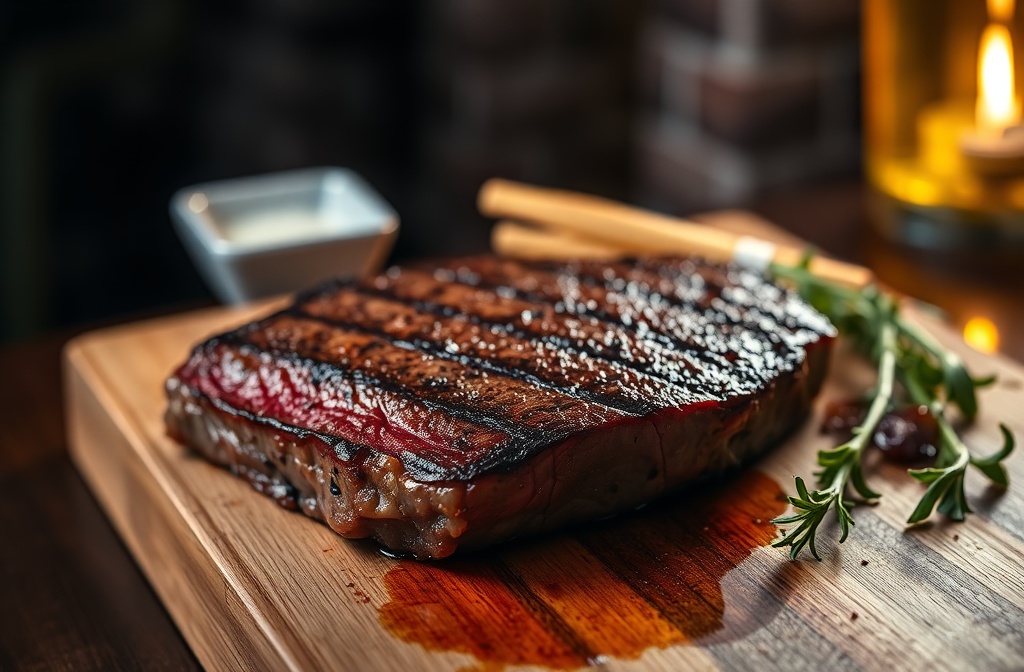
- Check internal temperature. Use an instant-read thermometer. Target 130°F (54°C) for medium-rare — the ideal doneness for Denver steak.
- Rest for 5 minutes. Tent loosely with foil. Resting allows myoglobin and juices to redistribute — skip this and you lose 30% of the moisture to the cutting board.
- Slice against the grain. Identify the direction of muscle fibers and cut perpendicular to them. This shortens the fiber length, dramatically improving perceived tenderness.
Denver Steak Internal Temperatures
| Doneness | Pull Temp | Final Temp (after rest) |
|---|---|---|
| Rare | 120°F / 49°C | 125°F / 52°C |
| Medium-Rare | 130°F / 54°C | 135°F / 57°C |
| Medium | 140°F / 60°C | 145°F / 63°C |
| Medium-Well | 150°F / 65°C | 155°F / 68°C |
Pull the steak 5°F before your target temperature. Carryover cooking during the rest period will bring it up to the final temperature.
Marinating Denver Steak
Denver steak’s marbling means it doesn’t require a marinade — but it benefits from one if you have time. A marinade based on soy sauce, Worcestershire sauce, and smashed garlic works particularly well because the umami compounds in both liquids amplify the steak’s natural beefy flavor through glutamate stacking.
Marinate for 4–8 hours maximum. Beyond 8 hours, the acid in most marinades begins to denature surface proteins, creating a mushy exterior texture rather than the firm sear crust you want.
Where to Buy Denver Steak
Denver steak isn’t always labeled as such at supermarkets. You may find it sold as “under blade steak” or simply as “chuck steak.” Your best option is a butcher who breaks down primals in-house — ask them specifically for the serratus ventralis muscle from the chuck under blade. Many butchers will cut it to your preferred thickness on request.
Look for USDA Choice or USDA Prime grades. The additional marbling in Prime significantly improves the eating experience of this cut.
Frequently Asked Questions
Is Denver steak the same as chuck steak?
No. Both come from the chuck primal, but Denver steak is specifically cut from the serratus ventralis muscle in the under blade section. Regular chuck steak can come from several different chuck muscles, many of which are tougher and require slow cooking. Denver steak is distinctly more tender.
What does Denver steak taste like?
Denver steak has an intensely beefy flavor similar to a ribeye, with a firmer chew than a tenderloin or flat iron. The heavy marbling adds richness and a slightly buttery quality when cooked to medium-rare. It’s one of the most flavorful steaks available at its price point.
Should you marinade Denver steak?
It’s optional. Denver steak is tender enough to serve without a marinade. If you choose to marinate, keep it under 8 hours and use a soy/Worcestershire base rather than heavy acid marinades (like lemon juice or vinegar), which can make the surface mushy.
How thick should Denver steak be cut?
Aim for 1 to 1.5 inches thick. Thinner cuts (under ¾ inch) cook too quickly to develop a proper crust before becoming overcooked internally. Thicker cuts over 2 inches are better suited to the reverse sear method to ensure even cooking throughout.
Is Denver steak good for grilling?
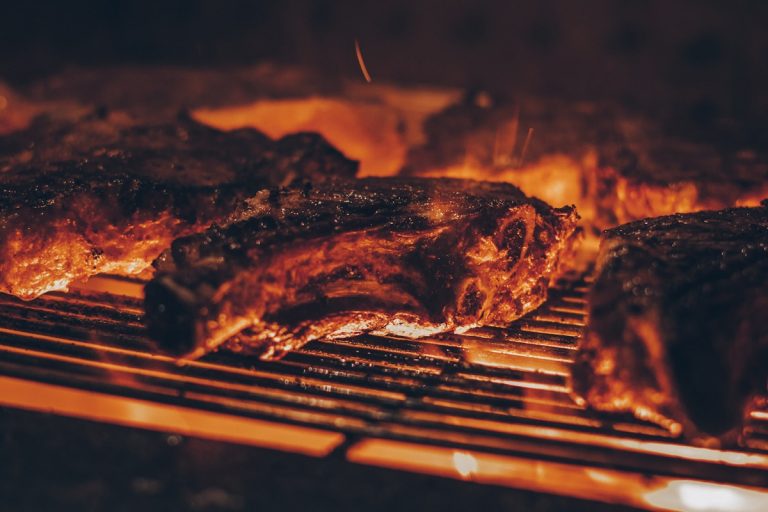
Yes — it’s excellent on the grill. Use direct high heat, two-zone setup. Sear over direct heat 3–4 minutes per side, then move to indirect heat if needed to reach your target internal temperature without burning the exterior. The fat content in Denver steak also creates excellent grill flavor from rendering fat dripping on coals or burners.