How to Pan-Sear the Perfect Steak
You do not need a backyard grill, expensive equipment, or restaurant training to make an exceptional steak. A heavy skillet, high heat, and a few core techniques are enough. The truth is simple: most home steaks fail because of process, not ingredients. People use cold pans, skip temperature checks, flip too often, or cut too early. Fix those mistakes and your steak quality jumps immediately.
This guide is a complete pan-searing playbook for home cooks. You’ll learn which cuts work best, how to season, when to salt, how to build a crust, and exactly how to hit your target doneness with confidence.
Why Pan-Searing Works So Well
Pan-searing is built around the Maillard reaction—the browning chemistry that creates deep savory flavor. A hot skillet maximizes contact between meat and metal, producing a dark crust and rich aroma. Compared with many grills, a pan gives better control over heat and timing, especially in apartment kitchens or cold weather.
Other advantages:
- Consistent heat and precise doneness control
- Easy butter-basting with herbs and garlic
- No flare-ups from dripping fat
- Excellent results with common kitchen gear
Best Steak Cuts for Pan-Searing
Almost any tender steak can be pan-seared, but these cuts are the most reliable:
Ribeye
Rich, forgiving, flavorful. Great for medium-rare to medium.
New York Strip
Firm texture, cleaner beef flavor, less fat than ribeye.
Filet Mignon
Extremely tender and lean; benefits from butter-basting and careful timing.
Top Sirloin
Affordable, beefy, and great when cooked to medium-rare.
Ideal thickness: 1.25–1.75 inches (3.2–4.5 cm). Thin steaks overcook before crust forms.
Gear You Actually Need
- 12-inch cast-iron or heavy stainless steel skillet
- Instant-read thermometer
- Tongs
- Paper towels
- High-smoke-point oil (avocado, grapeseed, refined sunflower)
- Kosher salt and black pepper
- Optional: butter, thyme/rosemary, garlic cloves
Pre-Cook Setup: The 15-Minute Advantage
1) Dry the Surface Thoroughly
Pat steak dry with paper towels. Moisture is the enemy of browning.
2) Salt Correctly
Best option: dry brine 40 minutes to overnight in the fridge (uncovered). If short on time, salt right before searing. Avoid salting 10–20 minutes ahead; it pulls moisture to the surface at the wrong time.
3) Lightly Oil the Steak (or the Pan)
Use a thin layer. Too much oil causes splatter and can mute browning.
4) Preheat the Pan Properly
Heat over medium-high until the surface is visibly hot and oil shimmers immediately. Cast iron needs patience. Underheated pans are the #1 reason for weak crust.
Step-by-Step: Pan-Sear Method
Step 1: Place and Leave It Alone
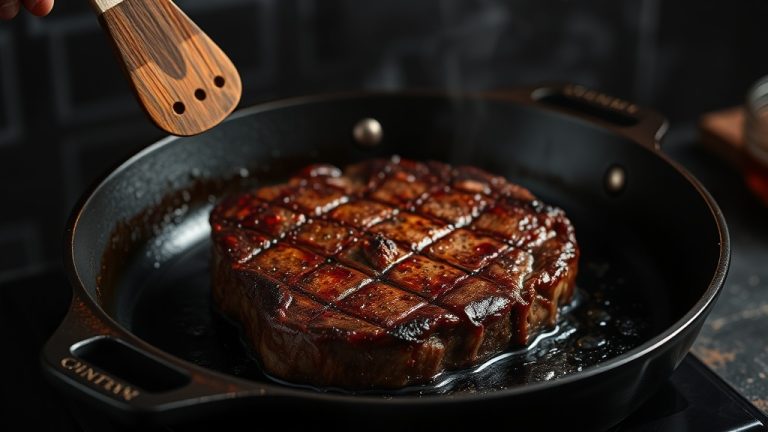
Lay the steak away from you. Press very lightly for full contact, then don’t move it for 2–3 minutes.
Step 2: Flip Once Crust Forms
Turn with tongs when first side is deep brown. Sear second side another 2–3 minutes.
Step 3: Sear the Edges
Hold steak on fat cap/edges for 20–40 seconds each if needed.
Step 4: Add Butter and Aromatics
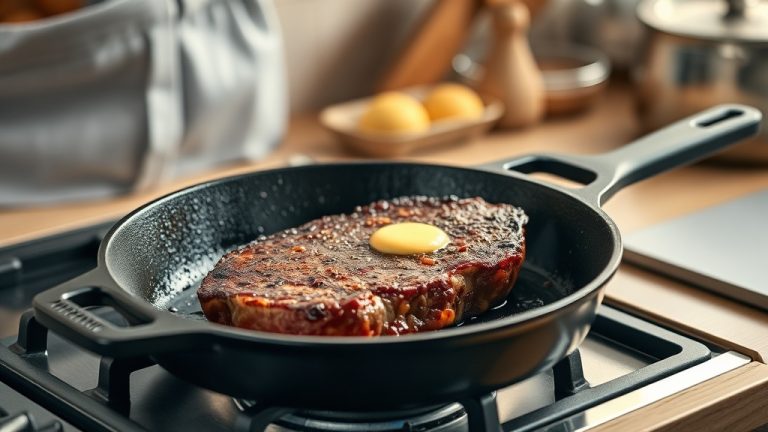
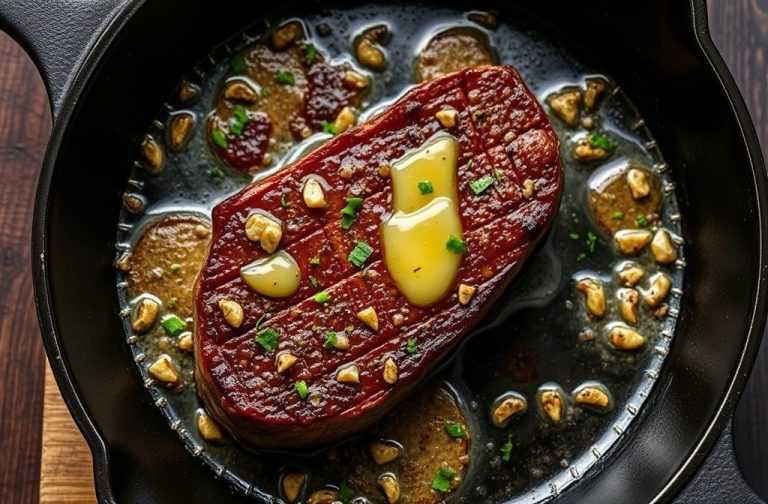
Lower heat slightly. Add butter, smashed garlic, and herbs. Tilt pan and baste for 30–60 seconds.
Step 5: Check Internal Temperature
Insert thermometer from side into thickest part.
| Doneness | Pull Temp | Final Temp After Rest |
|---|---|---|
| Rare | 120–125°F (49–52°C) | 125–130°F (52–54°C) |
| Medium-Rare | 125–130°F (52–54°C) | 130–135°F (54–57°C) |
| Medium | 135–140°F (57–60°C) | 140–145°F (60–63°C) |
| Medium-Well | 145–150°F (63–66°C) | 150–155°F (66–68°C) |
| Well Done | 155°F+ (68°C+) | 160°F+ (71°C+) |
Step 6: Rest Before Slicing
Rest 5–8 minutes on a warm plate. This keeps juices in the steak, not on your cutting board.
Reverse Sear in a Pan + Oven (For Thick Steaks)
For steaks over 1.75 inches, reverse sear gives better edge-to-edge doneness:
- Cook in 250°F (120°C) oven until 10–15°F below target temp.
- Finish with a hard sear in a very hot skillet, 45–90 seconds per side.
- Rest and serve.
This method reduces the gray overcooked band and improves consistency.
How to Season a Steak (Without Overcomplicating It)
For excellent pan-seared steak, simple seasoning wins:
- Kosher salt
- Fresh black pepper
- Optional garlic powder after searing
Avoid sugary rubs for high-heat searing—they burn quickly and turn bitter.
How Long to Cook Steak in a Skillet?
There is no universal timer, but for a 1.25–1.5 inch steak in a hot cast-iron pan:
- Rare: ~4–5 minutes total
- Medium-rare: ~5–7 minutes total
- Medium: ~7–9 minutes total
Use these as starting points only. Thermometer beats clock every time.
Common Pan-Searing Problems and Fixes
No Crust, Pale Surface
Pan not hot enough or steak surface too wet. Dry better and preheat longer.
Burned Outside, Raw Inside
Heat too aggressive for steak thickness. Lower heat after first sear and finish gently.
Steak Is Tough
Could be overcooked, under-rested, or sliced with the grain. Rest and slice against grain.
Too Much Smoke
Expected at high heat, but reduce by using clean oil, wiping burned bits, and controlling pan temperature between batches.
Should You Use Butter Every Time?
Butter adds flavor but burns easily at very high heat. The best approach:
- Sear first with high-smoke-point oil.
- Add butter later when heat is slightly lower.
- Baste briefly for aroma and color.
This gives both crust and classic steakhouse flavor.
What to Serve with Pan-Seared Steak
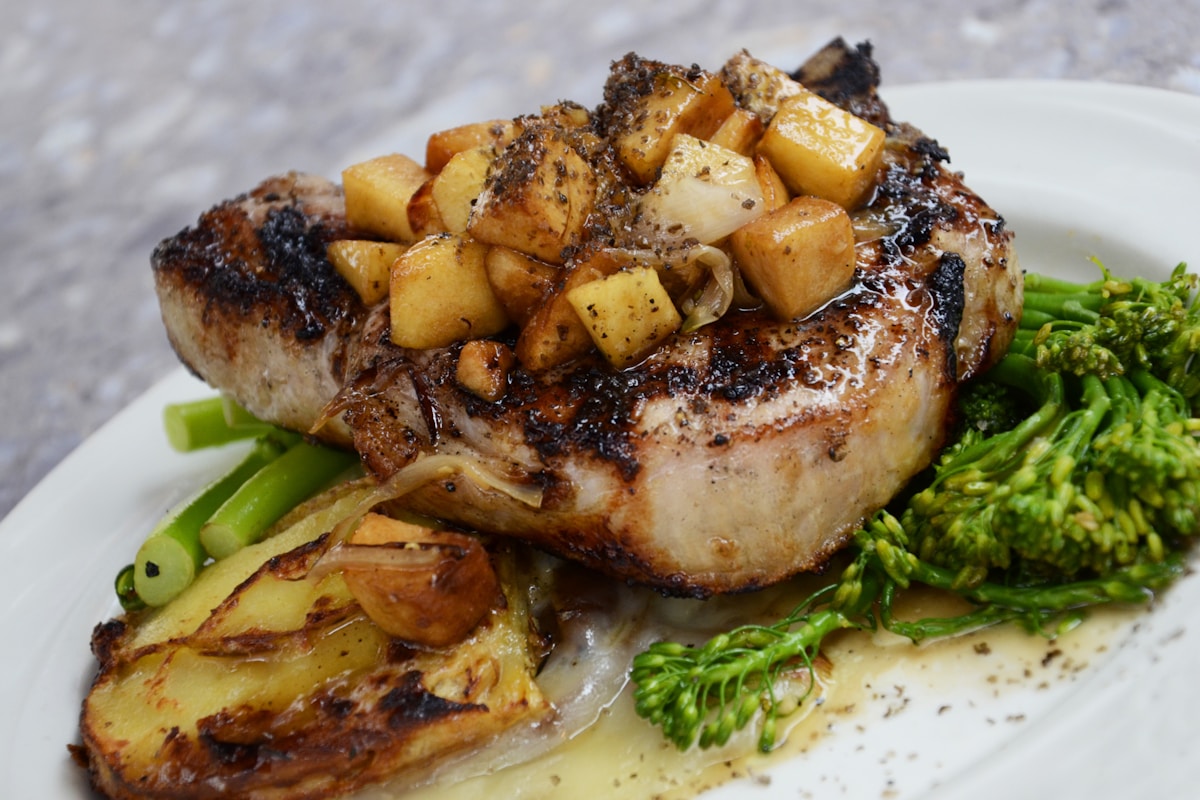
- Crispy potatoes or mashed potatoes
- Garlic mushrooms
- Asparagus or green beans
- Arugula salad with lemon
- Peppercorn sauce or chimichurri
Balance rich steak with something acidic or fresh.
Final Notes: Your Repeatable Steak Formula
If you remember only five things, make them these:
- Buy thicker steaks.
- Dry the surface well.
- Preheat pan aggressively.
- Cook to temperature, not time.
- Rest before slicing.
Master this sequence once, and pan-seared steak becomes one of the easiest “special occasion” meals you can make at home.
Pan-Searing Different Steak Cuts: Quick Adjustments
Ribeye
Ribeye has enough marbling to handle aggressive heat. You can sear hard, then finish at medium heat. Render fat cap for extra flavor. Best doneness: medium-rare to medium.
New York Strip
Strip is firmer and slightly leaner. Build crust first, then finish a little gentler than ribeye. Let it rest longer (6–8 minutes) so the fibers relax before slicing.
Filet Mignon
Filet cooks quickly and dries fast when overcooked. Use high heat for short initial sear, then finish low with butter-basting. Best around rare to medium-rare.
Sirloin
Sirloin rewards precision. Avoid medium-well and well-done if tenderness matters. Dry brine and proper slicing against grain make a major difference.
Pan Temperature Management During Multi-Steak Cooking
If you cook multiple steaks in one session, your pan behavior changes over time. Residual fond, rendered fat, and butter solids can burn and create bitterness. Professional kitchens solve this with strict heat management between rounds:
- After each steak, reduce heat and wipe burned solids carefully.
- Add a fresh small amount of clean oil.
- Reheat pan to searing temperature before the next steak.
- Avoid crowding—one or two steaks max in a 12-inch pan.
Crowding drops surface temperature, which leads to steaming instead of searing. If your first steak looks great but later ones look pale, this is usually why.
Finishing Options: Sauce, Butter, or Plain?
A perfectly seared steak can be served plain with flaky salt and still taste incredible. But finishing can elevate specific cuts:
- Compound butter (garlic, parsley, lemon zest) for filet or strip
- Peppercorn cream sauce for classic steakhouse flavor
- Chimichurri for bright acidity with fatty ribeye
- Red wine reduction for deeper savory complexity
Keep sauces light enough to support, not hide, the meat. A heavy sauce can flatten the crust flavor you worked hard to build.
Meal Prep and Reheating Without Ruining Steak
Fresh is best, but leftovers can still be excellent if reheated gently:
- Slice steak and reheat in a skillet over low heat with a little butter for 30–60 seconds.
- Or warm in oven at 250°F until just heated through.
- Avoid microwave reheating at full power—it overcooks edges and toughens center.
Leftover steak is ideal for steak salads, sandwiches, breakfast hash, tacos, or rice bowls. The key is minimal second-cook time.