Master the Reverse Sear Steak Method: Perfect Results Every Time
What is the Reverse Sear Steak Method?
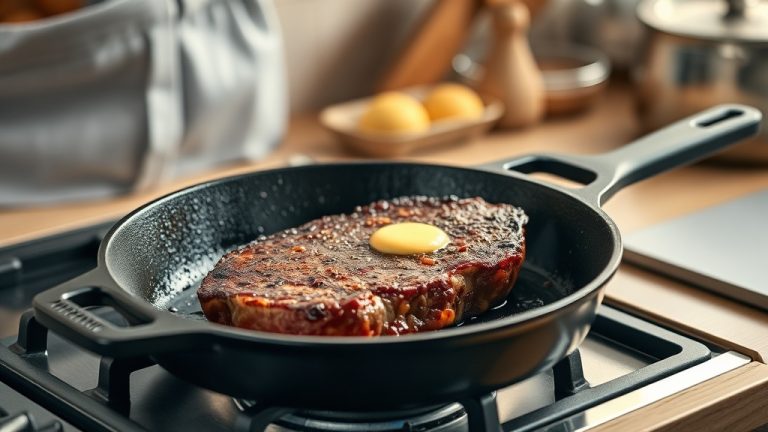
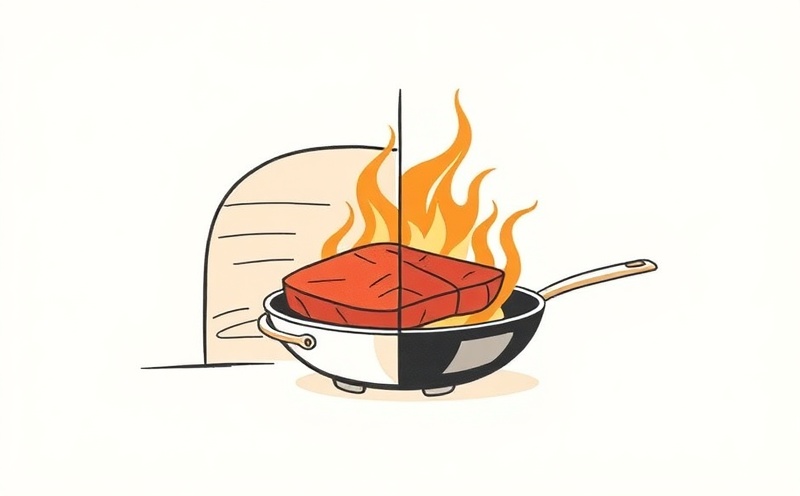
The reverse sear steak method is a cooking technique that flips traditional searing on its head. Instead of searing meat first in a hot pan, you slow-cook the steak in a low-temperature oven until it reaches your target internal temperature, then finish it with a quick, hard sear in a screaming-hot pan or cast iron skillet.
This approach differs dramatically from conventional steak cooking. Traditional searing happens immediately—you start with a cold pan, crank the heat, and sear the exterior while the inside cooks. The reverse sear steak technique inverts this process entirely. You control the internal doneness first through gentle, even heat in the oven (usually around 200-275°F), which prevents overcooking the center while you develop a crust.
The reverse sear method involves cooking a steak low and slow in the oven until it reaches target temperature, then searing it briefly in a very hot pan for crust development. This technique eliminates the common problem of overcooked edges surrounding a rare center.
Professional chefs and home cooks embraced this reverse sear steak method in the early 2000s as sous vide cooking became more mainstream. The technique gained serious traction after high-end restaurants published their methods and food scientists documented why it produces superior results.
Step-by-Step Reverse Sear Steak Instructions
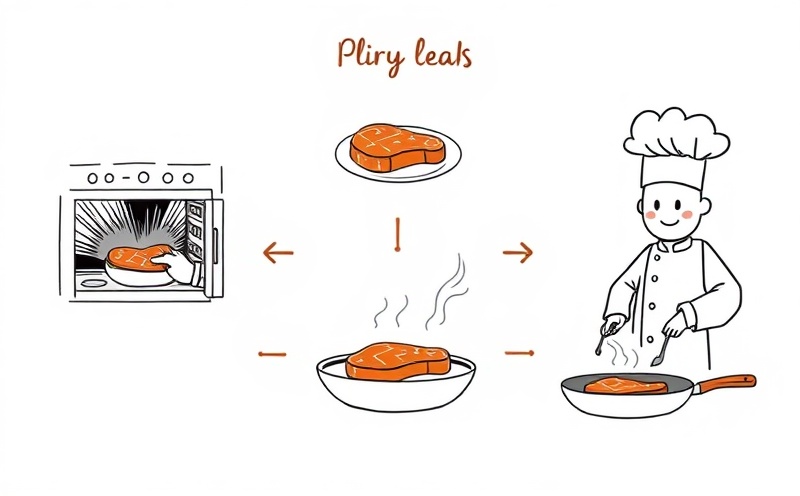
Executing a perfect reverse sear steak requires precision at three distinct stages: the oven phase, the resting period, and the final sear. Each step builds on the previous one, and timing matters more than you might expect.
- Pat your steak completely dry with paper towels and season generously with salt and pepper at least 40 minutes before cooking (or overnight in the refrigerator). Place the steak on a wire rack set over a baking sheet.
- Preheat your oven to 225°F and insert a meat thermometer into the thickest part of the steak, positioning it horizontally so it reads the center without touching bone.
- Place the baking sheet in the oven and cook until the internal temperature reaches 10°F below your target doneness: 120°F for rare, 130°F for medium-rare, 135°F for medium.
- Remove the steak from the oven when it reaches the target temperature. This typically takes 25-40 minutes depending on thickness (a 1.5-inch ribeye usually needs about 30 minutes).
- Let the steak rest on a cutting board for 5-10 minutes while you heat a cast iron skillet or heavy pan over high heat until it’s smoking—a full 2-3 minutes of aggressive heating.
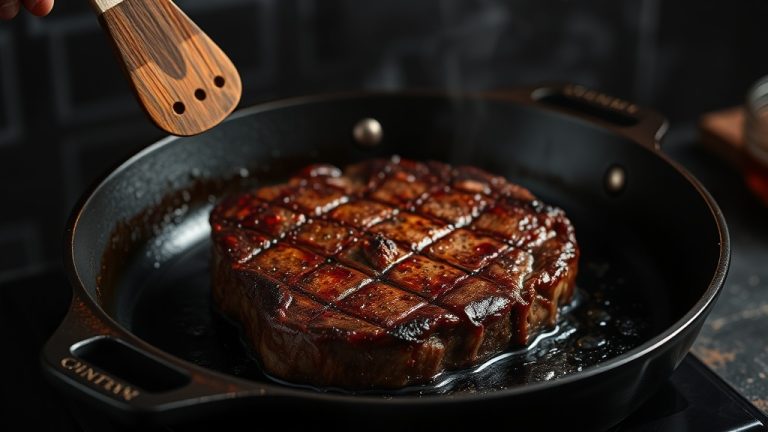
- Sear the steak for 45-90 seconds per side, working quickly to build a dark brown crust without raising the internal temperature more than 3-5°F.
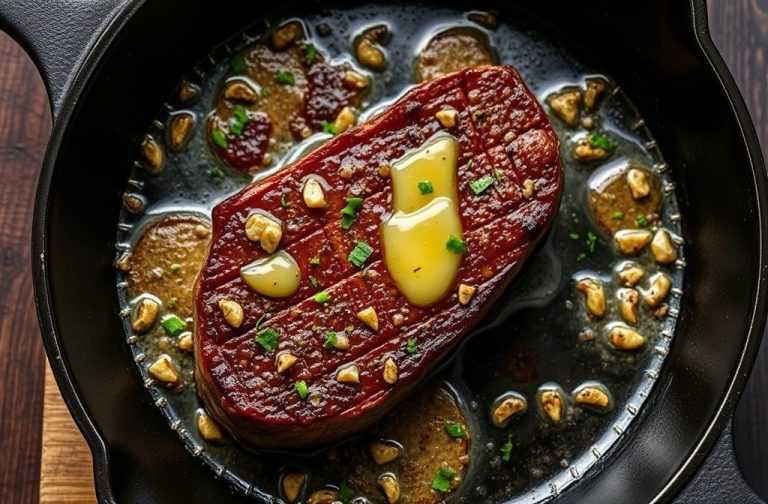
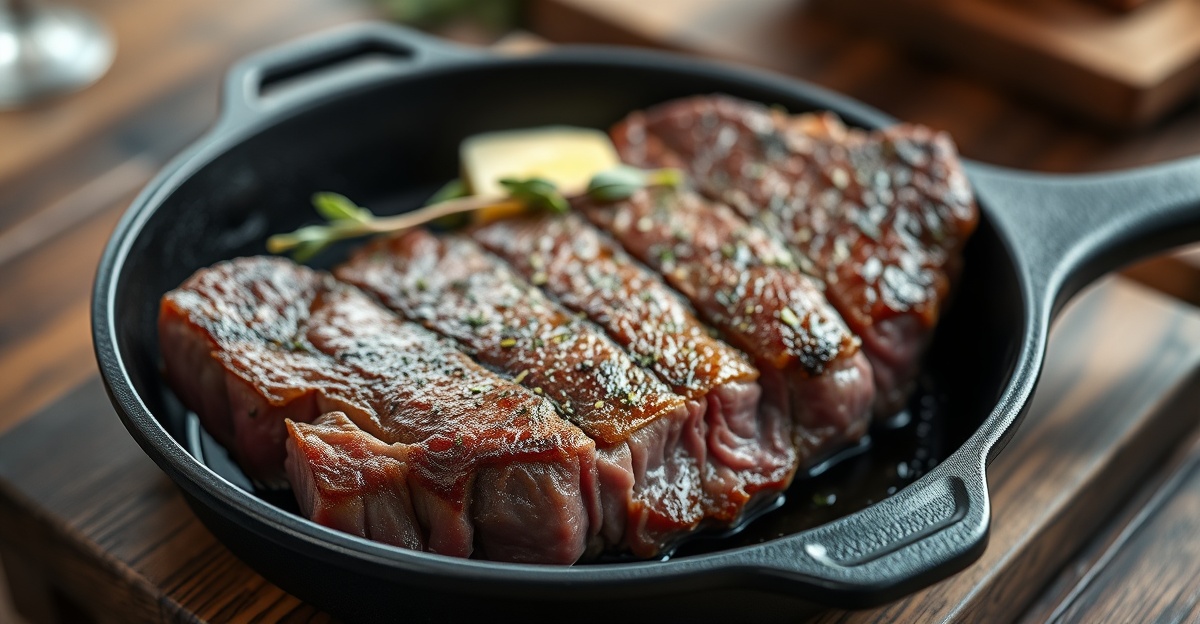
- Transfer to a plate, add a pat of butter and fresh herbs like rosemary or thyme to the hot pan, and baste the steak for the final 30 seconds.
The temperature differential between stages prevents the common mistake of pushing meat past your target doneness. A 225°F oven environment moves heat into the steak extremely slowly—roughly 1°F of internal temperature rise every 2-3 minutes once it enters the meat.
Timing varies based on steak size and your oven’s actual temperature. A thin 1-inch steak might finish in 15-20 minutes, while a thick 2-inch porterhouse can take 45-55 minutes. Your meat thermometer removes guesswork entirely—it’s the only tool that matters in the oven phase.
Best Cuts of Steak for Reverse Searing
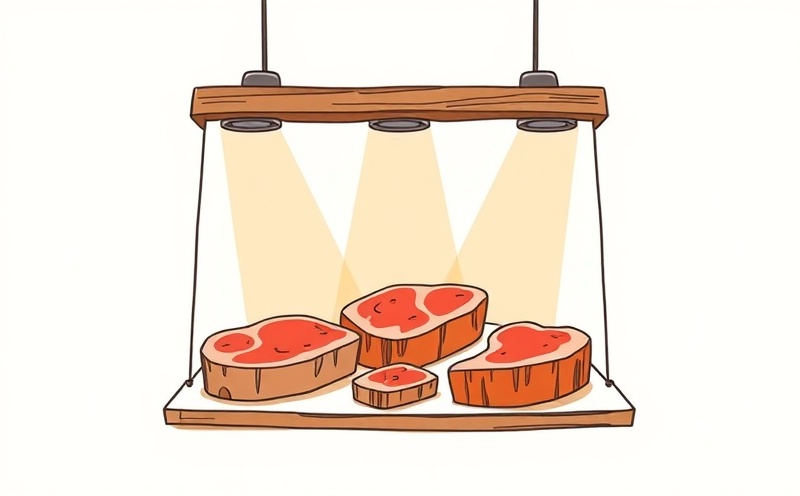
Reverse searing works best with steaks that are at least 1.5 inches thick. Thinner cuts lack the thermal mass to benefit from the low-temperature oven phase—they’ll reach target temperature too quickly, and the time spent waiting for the pan to heat becomes proportionally longer than the actual searing window.
Ribeye steaks are the gold standard for the reverse sear steak method. Their heavy marbling means fat renders during the slow oven phase, distributing flavor throughout the meat while the low heat prevents that fat from burning before the interior reaches doneness. New York strip steaks perform excellently too—their leaner structure develops a superior crust during the final sear.
Best reverse sear steak cuts: Ribeye steaks excel due to high intramuscular fat that renders during slow oven cooking. New York strip steaks develop superior crusts from their leaner muscle structure. Porterhouse and T-bone steaks work well because the bone conducts heat, and you can manage two different muscle groups with one cooking session. Filet mignon works but lacks the flavor intensity of fattier cuts.
Thickness fundamentally changes how the reverse sear steak process performs. A 2-inch steak spends 40-50 minutes in the oven, creating a steady temperature gradient from edge to center. When you’re investing time in a two-stage cooking process, you want a steak substantial enough to showcase the results.
Temperature and Timing Guide for Perfect Results
Hitting your target doneness requires understanding both the internal temperature you’re aiming for and how the oven phase gets you there. The reverse sear method relies entirely on precision temperature reading because you’re stopping the oven cook deliberately short of your final target.
Internal temperature targets for reverse sear steaks: Remove the steak from the oven when it reaches 120°F for rare (final temp 125°F), 130°F for medium-rare (final temp 135°F), 135°F for medium (final temp 140°F), or 145°F for medium-well (final temp 150°F). These stopping points account for 5°F of carryover cooking during the resting phase.
The oven phase timing depends on three variables: steak thickness, your oven’s actual calibration, and whether the cut includes bone. A 1.5-inch boneless ribeye typically requires 25–35 minutes at 225°F to climb from raw to 130°F. A 2-inch porterhouse might need 40–50 minutes because the extra thickness means heat must travel farther into the center.
Carryover cooking contributes 3–5°F of additional temperature rise after you pull the steak from the oven. This happens during the 5–10 minute resting period while you’re heating your searing pan. A steak that reads 130°F when it comes out of the oven will climb to roughly 133–135°F by the time it hits the hot skillet.
Reverse Sear vs Traditional Searing: Key Differences
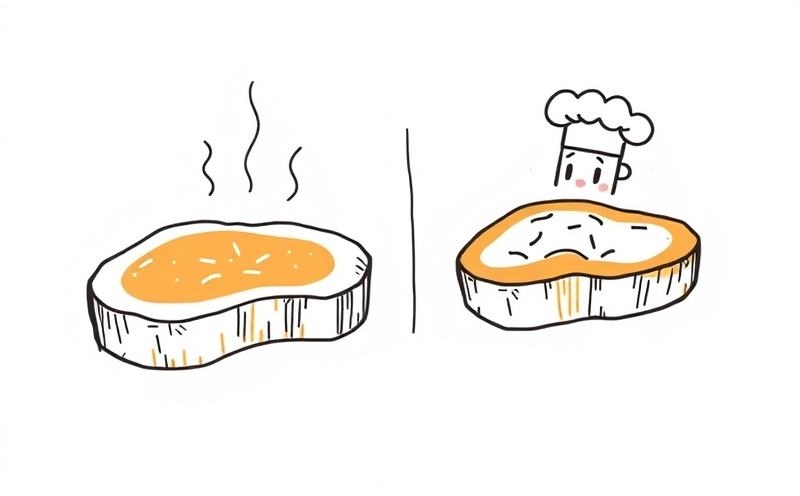
Traditional searing cooks steak hot-side-first: you blast the exterior in a smoking pan until it develops a brown crust, then finish the interior in the oven or on lower heat. This approach works fine for thin steaks (under 1 inch) where speed matters more than precision.
The reverse sear steak technique flips this sequence entirely. You start in a low oven (225°F) and finish with a scorching pan sear—the opposite direction from conventional cooking. This staged approach gives you complete control over doneness because the slow oven phase raises internal temperature at a predictable rate.
Reverse sear vs. traditional searing compared: Traditional searing sears first at high heat (400–500°F for 2–3 minutes per side) then finishes in a 400°F oven. Reverse searing starts in a 225°F oven until 10°F below target doneness, then sears for 45–90 seconds per side in a smoking-hot pan. Traditional searing works best for steaks under 1.25 inches; reverse searing excels with steaks 1.5–2+ inches thick.
Temperature control separates these methods fundamentally. During a traditional sear, the pan’s surface temperature exceeds 400°F, which means the steak’s exterior instantly reaches temperatures well above your target doneness while the interior remains cold. The reverse sear steak method eliminates this tension entirely.
When to use reverse searing: Choose the reverse sear steak technique for steaks 1.5–2.5 inches thick where doneness precision matters. Choose it when you’re cooking premium, expensive cuts you can’t afford to waste. Traditional searing works better for steaks under 1.25 inches, for cooking multiple steaks simultaneously, or when you need dinner in 20 minutes rather than 45.
Frequently Asked Questions
How long does reverse sear steak take?
Total time is 30-60 minutes: 20-40 minutes in the oven at 250°F, plus 2-4 minutes for searing and 5-10 minutes resting time.
Can you reverse sear thin steaks?
Reverse searing works best with steaks at least 1.5 inches thick. Thin steaks cook too quickly in the oven phase and don't benefit from this method.
What temperature should I reverse sear at?
Use 225-275°F for the oven phase, with 250°F being ideal for most steaks. The searing phase should be done over high heat in a preheated cast iron pan.